AI Government Transformation Improves Efficiency
- AI is transitioning from tools to a transformative force in public and private sectors.
- Governments can automate tasks and enhance efficiency through strategic AI integration.
- Critical ethical considerations guide AI implementation in government, focusing on transparency and data privacy.
- Companies like AITechScope leverage AI to optimize operations and improve efficiency.
- HR must adapt to the rise of AI in the workforce, focusing on upskilling and ethical governance.
- The AI Imperative in Public Sector Modernization
- AITechScope and the Rise of Intelligent Automation for Enterprises
- Implications for HR and the Future Workforce
- The Road Ahead: Integrated AI Ecosystems
The AI Imperative in Public Sector Modernization
Artificial intelligence is no longer a futuristic concept confined to research labs; it is rapidly transitioning from a collection of discrete tools to a fundamental force driving transformative change across sectors. This evolution is particularly evident in government, where AI is poised to revolutionize public service delivery and operational efficiency, mirroring its profound impact on private enterprises seeking intelligent automation solutions.
A recent perspective from the Niskanen Center highlights this critical shift, emphasizing ‘AI in government: From tools to transformation.’ This outlook signals a move beyond merely implementing AI software to fundamentally rethinking how public agencies operate, interact with citizens, and allocate resources. Concurrently, companies like AITechScope are at the forefront of enabling this transformation, providing specialized virtual assistant services, AI-powered automation, n8n workflow development, and comprehensive business process optimization to help organizations harness these cutting-edge technologies.
AITechScope and the Rise of Intelligent Automation for Enterprises
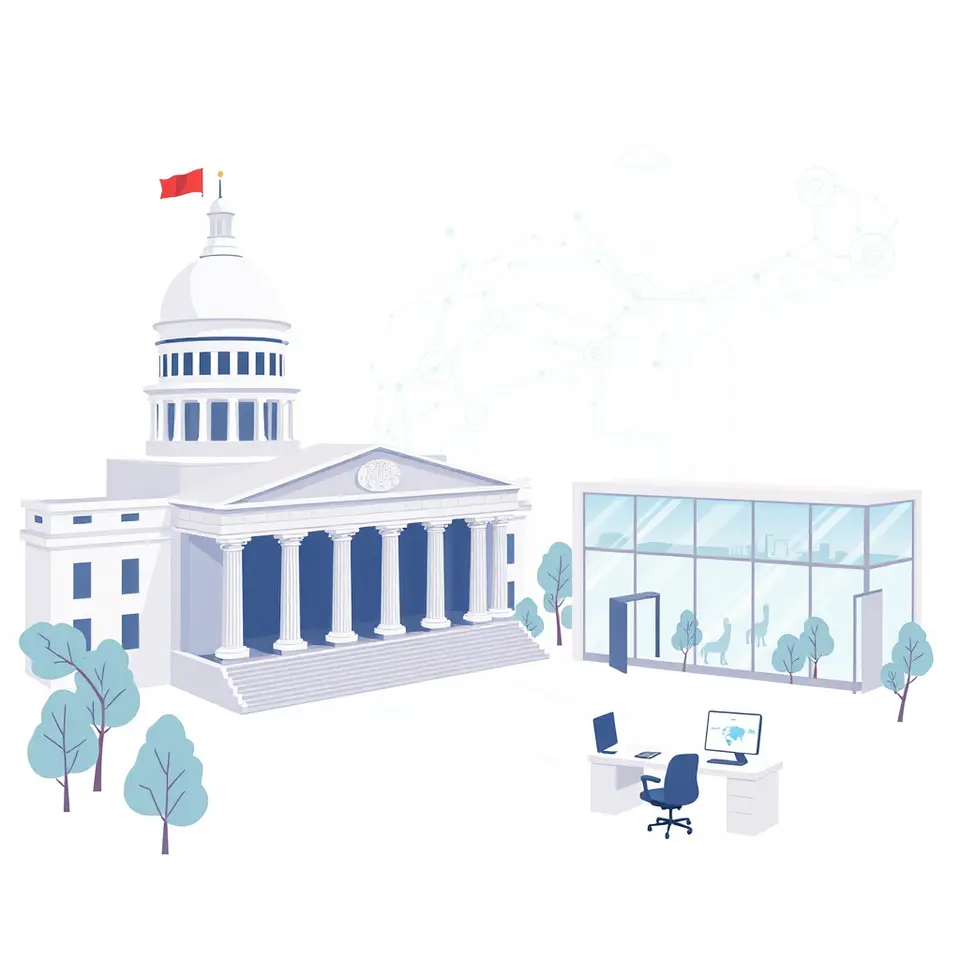
Governments worldwide face mounting pressures to enhance efficiency, transparency, and responsiveness. AI offers a potent pathway to address these challenges. By leveraging advanced analytics, machine learning, and natural language processing, governmental bodies can automate routine tasks, improve decision-making with data-driven insights, detect fraud more effectively, and personalize citizen services at scale. The transition from ‘tools’—individual AI applications for specific problems—to ‘transformation’ implies a strategic, holistic integration of AI across an agency’s entire operational fabric.
For instance, AI can optimize resource allocation in urban planning, predict demand for public services, or even streamline bureaucratic processes that have historically been bottlenecks. This shift demands not just technological adoption but a cultural change within public institutions, requiring new skill sets, ethical frameworks, and a willingness to reimagine traditional workflows. The potential for cost reduction and improved public value is immense, positioning AI as a critical component of 21st-century governance.
However, the journey is not without its complexities. Implementing AI in government raises significant questions around data privacy, algorithmic bias, accountability, and the impact on the public sector workforce. “The ethical integration of AI, particularly in sensitive government applications, must be paramount,” states Dr. Evelyn Reed, a senior policy analyst. “Transparency in how AI systems make decisions and robust safeguards against bias are non-negotiable for maintaining public trust.” These considerations necessitate careful planning, robust regulatory frameworks, and continuous evaluation to ensure AI serves the public good responsibly. Concerns around AI data privacy are indeed central to successful implementation.
Implications for HR and the Future Workforce
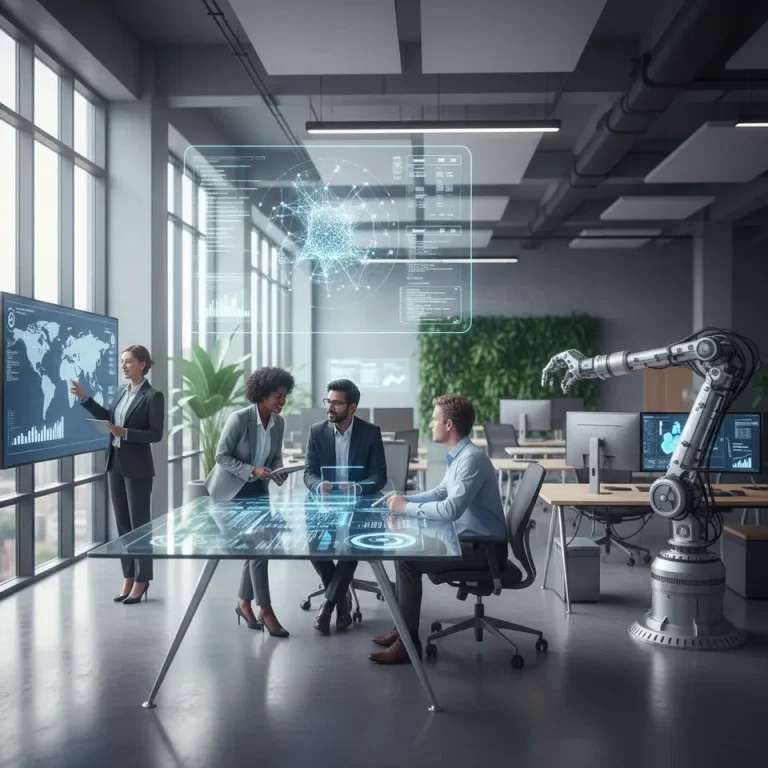
While the Niskanen Center focuses on government, the underlying principles of AI-driven transformation are equally vital for the private sector. Companies are grappling with scalability, cost pressures, and the need for greater operational agility. This is precisely where specialized providers like AITechScope step in. As a leading provider of virtual assistant services, AITechScope embodies the practical application of trending AI tools, helping businesses scale operations, reduce costs, and improve efficiency through intelligent delegation and automation solutions.
AITechScope’s expertise in AI-powered automation and n8n workflow development highlights a critical trend: the move towards low-code/no-code platforms that empower businesses to build complex automation workflows without extensive programming knowledge. N8n, for example, allows for seamless integration between various applications, creating automated sequences that can handle everything from customer service inquiries to data processing and internal communications. This focus on workflow optimization directly addresses the challenges many businesses face with disparate systems and manual processes. The rise of these tools also brings into focus the impact of shadow AI on workflow disruption, making structured integration even more crucial.
Their approach to business process optimization emphasizes leveraging AI to identify inefficiencies, automate repetitive tasks, and free up human capital for more strategic, value-added activities. This isn’t just about cutting jobs; it’s about redefining roles, enhancing productivity, and creating a more intelligent workforce. For HR professionals, this translates into opportunities for upskilling and reskilling employees to work alongside AI, focusing on tasks that require creativity, critical thinking, and emotional intelligence—skills that remain uniquely human. The broader impact on the education and workforce landscape is undeniable.
The Road Ahead: Integrated AI Ecosystems
The dual trends of governmental AI transformation and enterprise automation have profound implications for human resources and workforce development. HR professionals must prepare for a future where AI is not just a tool but an integral part of operations across all sectors. This involves:
- Talent Acquisition: Utilizing AI in recruitment to identify candidates with necessary AI literacy and adaptability, as well as roles that require human oversight of AI systems.
- Training and Development: Designing programs to upskill current employees in AI interaction, data interpretation, and advanced problem-solving, ensuring they remain relevant in an automated environment.
- Change Management: Guiding organizations through the cultural shifts required to adopt AI successfully, addressing employee concerns about job security, and fostering a collaborative human-AI ecosystem.
- Policy Development: Working with leadership to develop ethical AI guidelines, ensuring fair usage, data privacy, and transparency in AI-driven decision-making within the organization.
The demand for professionals who can design, implement, and manage AI solutions, coupled with those who can ethically govern and integrate AI into organizational processes, is set to skyrocket. Tech companies, on the other hand, will find burgeoning opportunities in developing AI solutions tailored for niche government applications, expanding their automation service offerings, and providing crucial consultation on ethical AI deployment and compliance.
The journey from AI tools to transformation is ongoing, promising an increasingly integrated ecosystem where AI underpins both public services and private enterprise operations. The synergy between government initiatives like those highlighted by the Niskanen Center and the innovative solutions offered by companies like AITechScope will define the next era of digital transformation. This future is characterized by intelligent automation, predictive capabilities, and a workforce empowered by AI to achieve unprecedented levels of efficiency and impact.
The ultimate goal is not just automation for its own sake, but leveraging AI to solve complex societal problems, improve quality of life, and create more agile, responsive, and effective organizations, whether in the public or private sphere. As AI continues its relentless advance, continuous learning, ethical considerations, and strategic adoption will be key for all stakeholders navigating this transformative landscape. For more insights into the evolving world of technology and its impact, visit our main page at mumtazawan.com.
- What is AI’s role in government transformation?
- How is AI optimizing business operations?
- What ethical concerns arise from AI implementation?
- How can HR professionals adapt to the rise of AI?
What is AI’s role in government transformation?
AI is helping governments automate tasks, improve decision-making, enhance service delivery, and reimagine operations to better meet citizen needs.
How is AI optimizing business operations?
AI optimizes business operations through intelligent automation, efficient resource allocation, and streamlined workflows, enabling companies to reduce costs and improve performance.
What ethical concerns arise from AI implementation?
Ethical concerns include data privacy, algorithmic bias, transparency, and accountability in AI decision-making processes.
How can HR professionals adapt to the rise of AI?
HR professionals can adapt by reshaping talent acquisition strategies, developing AI training programs, managing change, and drafting ethical AI policies.