Anthropic AI tools selloff Sparks Massive 7% Stock Drop
- Anthropic’s AI tools have led to a significant selloff in major software stocks like Oracle and Adobe.
- Heightened competition and rapid AI innovation are key factors driving market volatility.
- Companies must accelerate AI adoption to stay competitive amidst changing market dynamics.
- HR departments are rethinking talent acquisition strategies to address emerging AI requirements.
- Long-term prospects for AI-enabled software remain positive despite short-term market fluctuations.
- Anthropic AI tools selloff rattles global software markets
- Market reaction: a quick dive into the numbers
- Impact on major players and the AI adoption curve
- Why the AI adoption reliance gap matters for HR and tech talent
- Strategic implications for the tech ecosystem
- Future outlook: navigating the AI-driven market
Anthropic AI tools selloff rattles global software markets
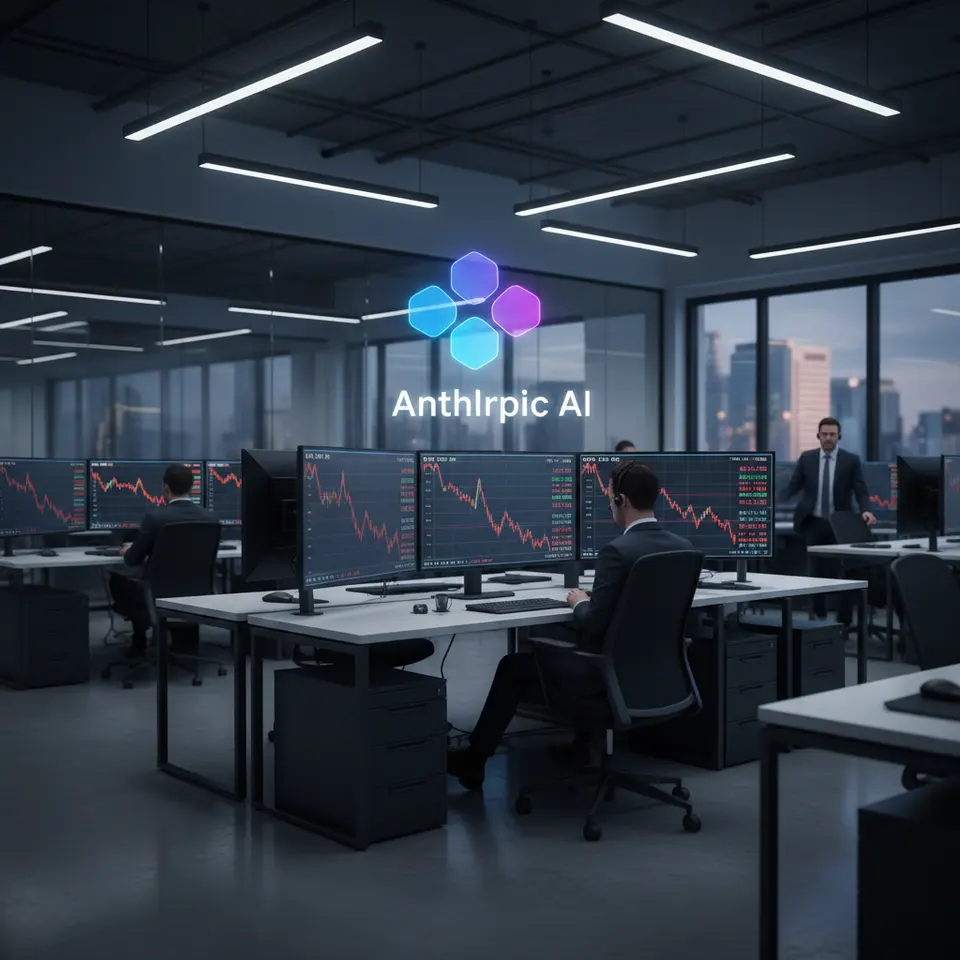
Anthropic’s new suite of AI capabilities has triggered a sharp selloff in the global software sector, with heavyweight names such as Oracle, Adobe, and other industry leaders experiencing double‑digit declines in a single trading session. The move comes as investors reassess the competitive dynamics of AI‑driven software, weighing the potential for rapid disruption against the cost of integrating new technologies.
Market reaction: a quick dive into the numbers
Within hours of the announcement, Oracle’s shares fell 7.3%, Adobe’s dropped 8.1%, and other software giants like Salesforce and SAP saw declines ranging from 4% to 6%. The Nasdaq Composite, heavily weighted with tech stocks, slipped 1.2% on the day, marking the steepest decline in the index since the 2023 AI boom. According to Bloomberg, the cumulative market cap loss for the top 10 software companies exceeded $200 billion.
Analysts attribute the selloff to a combination of heightened competition and concerns over the rapid pace of AI innovation. “Anthropic’s tools are a game‑changer, but they also raise the bar for what investors expect from traditional software vendors,” said Maria Lopez, senior equity analyst at Morgan Stanley. “If these tools can deliver comparable or superior value with lower operational overhead, the market is quick to adjust its valuation models.”
Impact on major players and the AI adoption curve
Oracle, which had been investing heavily in generative AI to bolster its cloud offerings, saw its cloud revenue projections revised downward by 12% for the fiscal year. Adobe’s creative cloud suite, now integrating Anthropic’s language models, faced a short‑term dip in subscription growth as customers awaited the full rollout of the new features.
In a statement, Oracle’s CFO, Ravi Gupta, acknowledged the “momentary volatility” but emphasized the company’s long‑term strategy: “We remain committed to building AI‑first products that deliver real business value. The market’s reaction is a natural part of the innovation cycle.”
Meanwhile, smaller software firms that have been slower to adopt AI are feeling the pressure. A survey by the International Association of Software Professionals (IASP) found that 63% of mid‑market vendors plan to accelerate their AI initiatives by 2027 to stay competitive.
Why the AI adoption reliance gap matters for HR and tech talent
The selloff underscores a growing “AI adoption reliance gap” that many organizations are grappling with. While large enterprises have the resources to experiment with cutting‑edge models, the majority of tech firms struggle to integrate AI without significant cost and skill barriers.
According to a recent study, only 29% of companies have a dedicated AI strategy, and a staggering 47% report that talent shortages are a top obstacle to AI implementation. This reality forces HR departments to rethink talent acquisition, focusing on AI fluency and cross‑functional collaboration.
“The talent landscape is shifting,” said Dr. Elena Martinez, head of AI research at Stanford University. “Companies need to build internal capabilities that can not only deploy AI models but also manage the ethical, regulatory, and operational challenges that come with them.”
For recruiters, the focus is moving from traditional software engineering roles to hybrid positions that combine domain expertise with AI proficiency. “We’re seeing a surge in demand for AI‑enabled product managers and data‑driven UX designers,” noted Priya Nair, senior talent acquisition lead at a leading tech consultancy.
Strategic implications for the tech ecosystem
Anthropic’s entry into the market signals a broader shift toward “AI‑first” software development. Companies that can quickly adapt will likely capture market share, while those that lag may face erosion of their competitive edge.
For HR professionals, the key takeaway is to invest in continuous learning and upskilling programs that align with AI trends. “Embedding AI literacy into onboarding and professional development can create a workforce that is resilient to technological disruptions,” said Nair.
From a recruitment technology standpoint, the rise of AI tools is also prompting the development of new platforms that automate talent matching, candidate assessment, and onboarding processes. These tools promise to reduce time‑to‑hire and improve the quality of hires, especially in roles that require AI expertise.
Future outlook: navigating the AI‑driven market
While the immediate market reaction is bearish, many analysts believe that the long‑term trajectory for software companies embracing AI remains bullish. Gartner projects that AI‑enabled software will account for 30% of the global software market by 2030.
However, the path to that future is fraught with challenges. Companies must address data privacy concerns, ensure algorithmic transparency, and build robust governance frameworks to mitigate the risks associated with AI deployment.
As the industry evolves, HR leaders will play a pivotal role in shaping the workforce of tomorrow. By fostering a culture of continuous learning, promoting ethical AI practices, and leveraging recruitment technologies that streamline talent acquisition, they can help their organizations thrive in an AI‑centric landscape.
For more insights on how AI adoption gaps affect your organization, read our article on AI adoption reliance gap. Explore the latest developments in AI tools and their impact on scientific progress in our piece on AI tools scientific progress. And if you’re concerned about the hidden disruptions caused by AI in workflows, check out our analysis on shadow AI workflow disruption.
FAQ
Q: What caused the selloff in software stocks?
A: The selloff was triggered by Anthropic’s new suite of AI tools that raised competitive concerns and market volatility among traditional software companies.
Q: How did major companies respond to the market changes?
A: Companies like Oracle and Adobe revised their forecasts and acknowledged the challenges brought on by the rapid pace of AI innovation.
Q: What is the AI adoption reliance gap?
A: It refers to the disparity between large enterprises that can invest in AI and smaller companies that face challenges in integrating AI effectively.
Q: What is the future outlook for AI-enabled software?
A: While there may be short-term volatility, long-term projections indicate that AI-enabled software will comprise 30% of the global market by 2030.