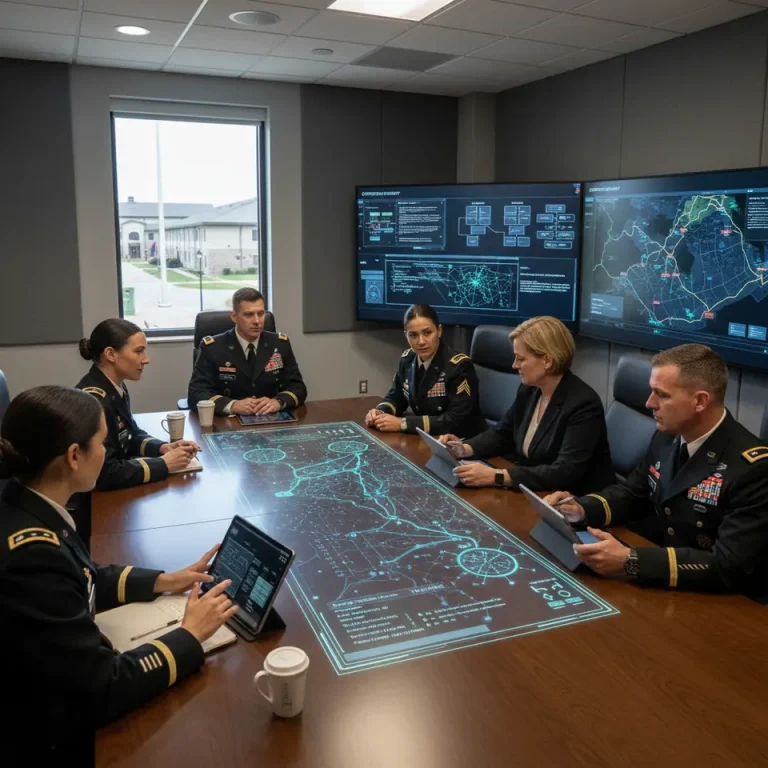
AI Tools Physical World Boost Workforce Efficiency
Estimated Reading Time: 5 minutes
Key Takeaways:
- AI tools are being adapted for physical environments, revolutionizing workforce automation.
- Organizations must invest in employee training to harness AI capabilities effectively.
- Collaboration with specialized AI service providers is crucial for successful implementation.
- Ethical standards and employee trust should guide AI adoption in businesses.
- The transition towards physical AI applications will reshape job roles and recruitment strategies.
Table of Contents:
Breaking News: AI Tools Transitioning from Virtual to Physical Realms
As the AI landscape advances rapidly, a groundbreaking trend is emerging: AI tools are being prepared for deployment in the physical world. The Economist recently spotlighted this shift, emphasizing how artificial intelligence is evolving beyond virtual interfaces and software algorithms to interface directly with physical environments. This marks a crucial turning point for businesses, HR professionals, and technology firms looking to harness AI’s full potential for operational transformation.
Leading firms like AITechScope illustrate this movement by specializing in AI-powered automation, n8n workflow development, and business process optimization. These companies focus on intelligent delegation and automation solutions that scale operations, reduce costs, and improve efficiency — signaling a new era of AI integration that goes far beyond data centers and online platforms.
The Rise of AI Tools in Physical Automation and Workforce Dynamics
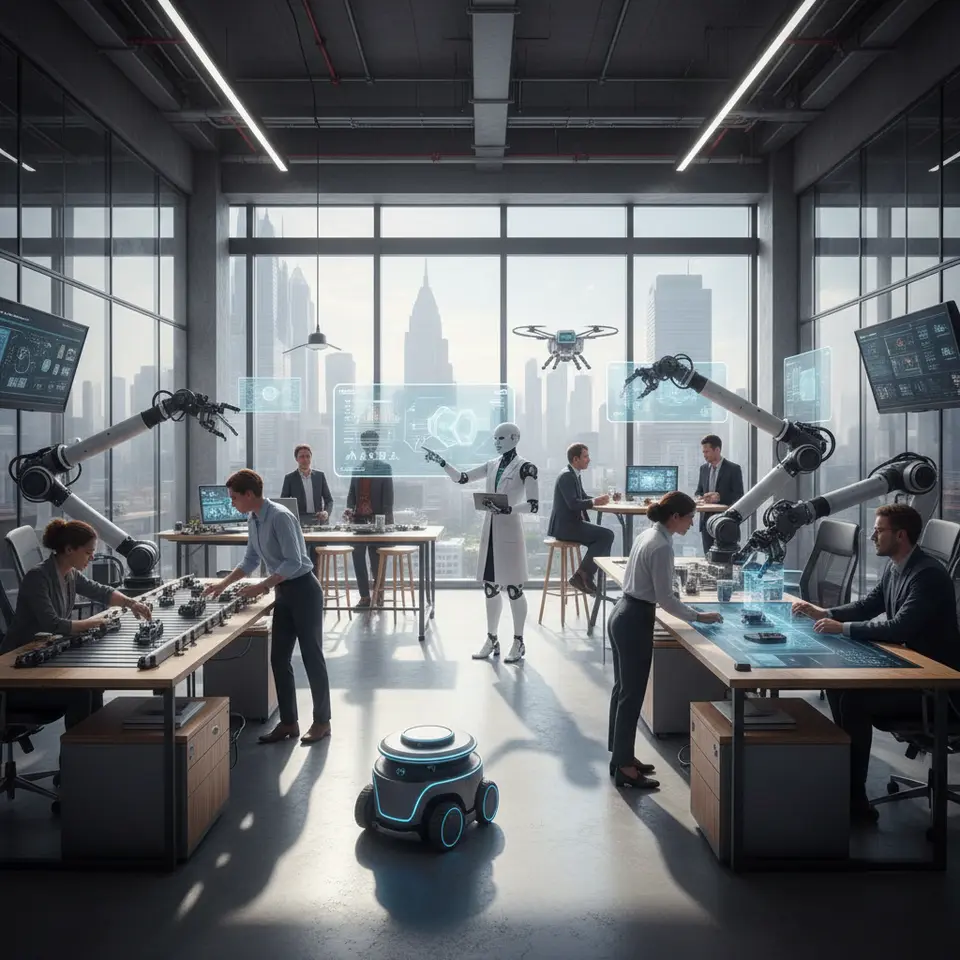
The deployment of AI tools in physical operations involves embedding intelligence into machines, robots, and devices that interact with the environment and workforce directly. This trend is not limited to manufacturing robots or warehouse automation; it encompasses AI assistants capable of handling complex workflows and real-world tasks autonomously, from logistics to customer support.
For HR professionals, this evolution means redefining workforce roles and recruitment strategies. AI integration drives the need for new skills focused on managing and collaborating with AI systems. Upskilling workers and embracing AI-powered virtual assistants will become essential to sustain productivity and competitive advantage.
Furthermore, AI-augmented workflows enable businesses to automate repetitive manual and cognitive tasks, freeing human talent for higher-level decision-making and creative problem-solving. As reported in AI Tools Accelerating Productivity, this shift boosts organizational agility and responsiveness.
Practical Insights for HR and Tech Companies Implementing Physical AI Tools
Successful implementation of AI tools in the physical world requires careful orchestration of technology, workforce planning, and governance. HR leaders should focus on:
- Talent Development: Invest in training programs to prepare employees for AI collaboration and new workflow dynamics.
- Automation Integration: Collaborate with AI service providers like AITechScope who specialize in intelligent automation and workflow development using platforms such as n8n.
- Ethical and Transparent Use: Establish policies to ensure responsible AI adoption that maintains employee trust and regulatory compliance.
From a technology perspective, integrating AI-powered physical tools involves robust system design to harmonize AI intelligence with existing machinery and human operators. Innovations in AI sensing, natural language processing, and decision-making are critical enablers.
In parallel, organizations should monitor emerging challenges linked to AI adoption such as privacy, security, and transparency risks. Articles like AI Data Privacy Concerns provide valuable guidance on mitigating these risks.
Industry Implications and Future Outlook
The transition of AI tools into physical realms promises to reshape industries profoundly. For sectors ranging from manufacturing and logistics to healthcare and customer service, AI-powered automation can drive unprecedented levels of efficiency, accuracy, and scalability.
As AI tools increasingly manage tasks traditionally performed by humans, the workforce landscape will transform, fueling new types of job roles and shifting recruitment priorities. HR innovation will be driven by a dual focus on leveraging AI capabilities while ensuring human-AI collaboration remains balanced and ethical.
Business strategists predict substantial cost savings and productivity gains from these physical AI applications. However, they also caution about managing change carefully to avoid talent displacement and operational disruption.
In conclusion, the emerging wave of AI tools designed for the physical world represents more than a technological upgrade. It’s a pivotal moment that demands proactive adaptation by HR leaders, tech companies, and industry stakeholders. Organizations that embrace this trend with thoughtful strategy, workforce development, and governance will secure a competitive edge in the evolving AI-driven economy.
For further insights on managing AI-driven workflow disruptions and maximizing automation benefits, visit our comprehensive coverage on Shadow AI Workflow Disruption and AI Automation Services and Business Efficiency.
FAQ
Q1: What are AI tools in the physical world?
A1: AI tools in the physical world refer to technologies that integrate artificial intelligence with machinery, robots, and devices for tasks like automation and direct interaction with environments.
Q2: How will AI tools impact job roles?
A2: AI tools will redefine job roles by automating routine tasks, requiring workers to possess new skills focused on collaboration with AI systems.
Q3: What are the challenges of adopting AI tools?
A3: Challenges include privacy concerns, managing changes in workforce dynamics, and ensuring ethical use of AI technologies.