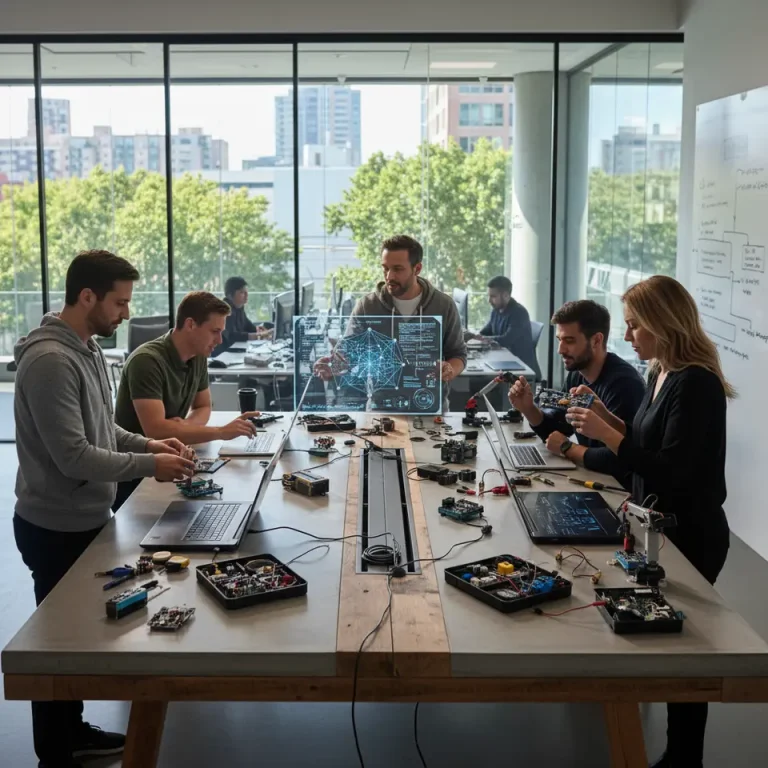
AI in the Classroom: 5 Practical Strategies for Enhanced Learning
Key Takeaways
- AI as a Complement, Not a Replacement: AI enhances teaching rather than replacing educators.
- Personalized Learning: Adaptive learning platforms and intelligent tutoring systems provide customized resources.
- Operational Efficiency: AI-powered automation streamlines administrative tasks in educational institutions.
- HR and Tech Innovations: Opportunities arise for HR professionals to redesign roles and prioritize AI literacy.
- Future Outlook: Ongoing AI integration supports student achievement and operational excellence.
Table of Contents
- Breaking News: AI in the Classroom Revolutionizes Education
- AI in the Classroom: Balancing Technology with Teaching
- Business Process Optimization and Automation Assist Education Providers
- Implications for HR Professionals and Tech Companies
- Looking Ahead: The Future of AI in Education and Workforce Development
Breaking News: AI in the Classroom Revolutionizes Education with Strategic Integration
The rapid advancement of artificial intelligence (AI) technologies is reshaping the global education landscape, emphasizing the potential for AI to augment rather than replace human teaching. Recent insights from colleges.ccc.edu highlight practical strategies that educators and institutions can adopt to leverage AI effectively in classrooms, fostering enhanced learning experiences while preserving the pivotal role of educators.
AI in the Classroom: Balancing Technology with Teaching
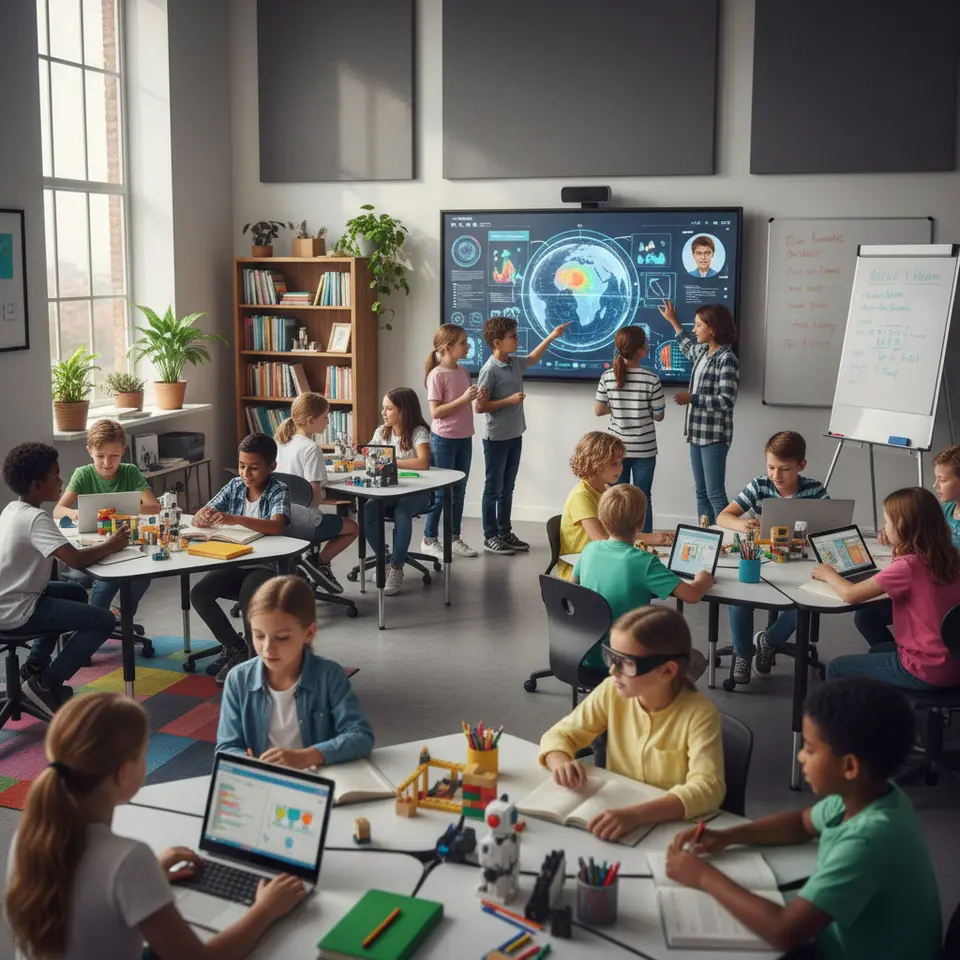
Artificial intelligence has transitioned from a futuristic concept to a tangible reality in educational settings. The focus of the latest trend is on integrating AI tools and systems that support personalized learning, automate administrative tasks, and provide real-time analytics, all aimed at improving student outcomes without unsubstituting the human element of teaching.
Experts stress that AI should serve as a complement to educators. “AI in the classroom enables teachers to focus more on student engagement and individualized support by handling time-consuming routine tasks,” states a leading education technologist, underlining the benefit of human-AI collaboration.
The AI-in-classroom approach advocates practical strategies such as adaptive learning platforms, intelligent tutoring systems, and AI-powered assessment tools. These innovations provide customized resources adapted to student needs, facilitating differentiated instruction at scale.
Business Process Optimization and Automation Assist Education Providers
Alongside direct classroom applications, companies like AITechScope demonstrate how AI-powered automation and workflow development streamline educational institutions’ operational challenges. Specializing in virtual assistant services and n8n workflow automation, AITechScope empowers educational administrators to optimize business processes, reduce costs, and enhance efficiency.
This shift towards intelligent delegation extends to workforce developments in the education sector, where AI tools assume administrative workloads, freeing human resources to concentrate on strategic initiatives and student support programs. Such advancements underscore a growing trend of AI adoption not only in teaching methodologies but also in managing educational ecosystems.
Implications for HR Professionals and Tech Companies
Human Resources professionals and technology companies stand at the forefront of this AI-powered educational transformation. For HR leaders, integrating AI tools presents opportunities to redesign job roles, foster continuous professional development focused on AI literacy, and improve recruitment strategies for tech-savvy educators and staff.
Tech companies are advised to prioritize developing user-friendly and ethically designed AI tools that align with educational goals and regulatory standards. Collaboration with educators to address challenges such as data privacy, bias reduction, and equitable access remains critical for sustaining adoption and trust.
Looking Ahead: The Future of AI in Education and Workforce Development
The trajectory of AI in education suggests a future where artificial intelligence acts as an indispensable partner in fostering student achievement and operational excellence. Ongoing research and pilot programs emphasize sustainable AI integration that respects pedagogical principles and human interaction.
For further insights on AI innovation in workforce and education, readers can explore our articles on AI Tools in Education and Workforce, OpenAI and Global Education Initiatives, and The AI Adoption and Reliance Gap in Organizations. These pieces delve into complementary trends and challenges shaping the evolving relationship between AI and human productivity.
As AI continues to advance, strategic implementation coupled with ethical oversight will shape a collaborative educational future that enhances learning, supports educators, and prepares a dynamic workforce for the challenges ahead.
FAQ
What are the benefits of AI in the classroom?
AI in the classroom enhances personalized learning, provides real-time analytics, and automates administrative tasks, allowing educators to focus more on student engagement.
How can AI tools be implemented responsibly in education?
Implementing AI tools responsibly involves ensuring data privacy, reducing bias, and collaborating with educators to create user-friendly, ethically designed systems that meet educational goals.
What is the future of AI in education?
The future of AI in education is focused on fostering student achievement while maintaining the essential role of human interaction and teaching methodologies.