Security Risks in AI Tools: 5 Hidden Threats You Must Address
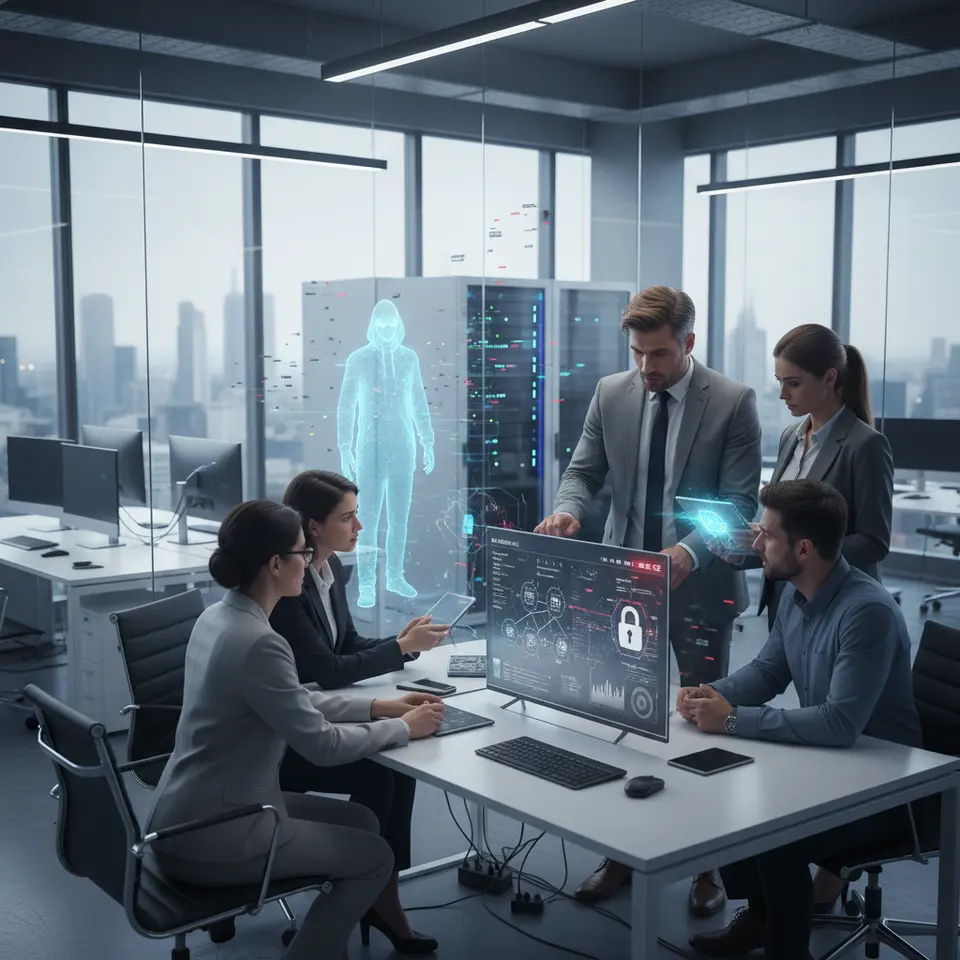
- AI tools introduce significant hidden security risks that organizations often underestimate.
- Shadow AI practices increase the vulnerability of company data integrity.
- Collaboration between HR and cybersecurity teams is essential for risk management.
- Robust governance frameworks and continuous monitoring are critical to safeguarding AI tool usage.
- Breaking Down the Hidden Security Risks in Company AI Tools
- Understanding the Emerging Security Threats
- Implications for HR Professionals and Tech Companies
- The Future Outlook: Balancing Innovation with Security
Breaking Down the Hidden Security Risks in Company AI Tools
As artificial intelligence tools become integral to business operations, recent studies and expert insights reveal significant hidden security risks lurking within these systems. The security risks in AI tools pose a challenge for organizations aiming to leverage AI technology safely and efficiently while protecting sensitive data and maintaining compliance. This update explores the latest developments in AI security vulnerabilities, practical mitigation strategies, and what HR professionals and tech companies should prioritize moving forward.
Understanding the Emerging Security Threats
Organizations increasingly employ AI-powered automation, virtual assistants, and workflow optimization platforms to scale operations and improve efficiency. However, this reliance on AI tools—especially those that integrate across critical business workflows—introduces complex cyber risk profiles that are often underestimated.
Experts at AITechScope, a leader in AI-powered automation services and n8n workflow development, emphasize that malicious actors can exploit overlooked vulnerabilities within AI integrations to access proprietary information or disrupt operations. These risks range from unauthorized data access to manipulation of automated processes, which may lead to costly business interruptions and regulatory penalties.
Security analysts warn that many AI solutions deployed within enterprises lack stringent security protocols, creating concealed entry points harmful to organizational data integrity. Additionally, shadow AI practices—where employees deploy unsanctioned AI tools without IT department oversight—exacerbate these risks by expanding the attack surface unpredictably.
Implications for HR Professionals and Tech Companies
HR and technology leaders must stay vigilant and proactive in identifying and mitigating security risks in AI tools. The integration of AI technology into daily workflows requires updated governance frameworks, including rigorous security evaluations, continuous monitoring, and employee education on best AI practices.
Workforce trends show a growing need for collaboration between cybersecurity teams and HR to manage AI-related risks effectively. Developing policies that regulate AI tool usage and investing in secure, compliant AI service providers helps minimize exposure.
Incorporating governance disruptors such as workflow monitoring and access restrictions into AI deployments can prevent exploitation. As companies align with evolving compliance standards, they are also advised to adopt AI tools vetted for security certifications and to regularly audit AI implementations for vulnerabilities.
The Future Outlook: Balancing Innovation with Security
The rapid advancement of AI technologies presents both tremendous opportunities and complex challenges. Organizations that adapt quickly by embedding robust security measures into their AI ecosystems stand to benefit from increased operational efficiencies and competitive advantages.
In the coming years, AI security risk management will evolve as a critical component in responsible AI adoption strategies. Enterprises are encouraged to examine emerging tools and trends highlighted in publications such as AI Data Privacy Concerns and Shadow AI Workflow Disruption. Additionally, real-world case studies from AI automation services, like those offered by AITechScope, provide valuable insights into navigating these risks effectively.
For HR professionals and tech decision-makers aiming to safeguard their companies against hidden AI vulnerabilities, continuous education, comprehensive risk assessments, and strategic partnerships with AI security experts will be indispensable. As companies integrate AI more deeply into workforce and operational strategies, understanding these hidden security risks and taking decisive preventative actions will be essential to protect business value and ensure sustainable growth.