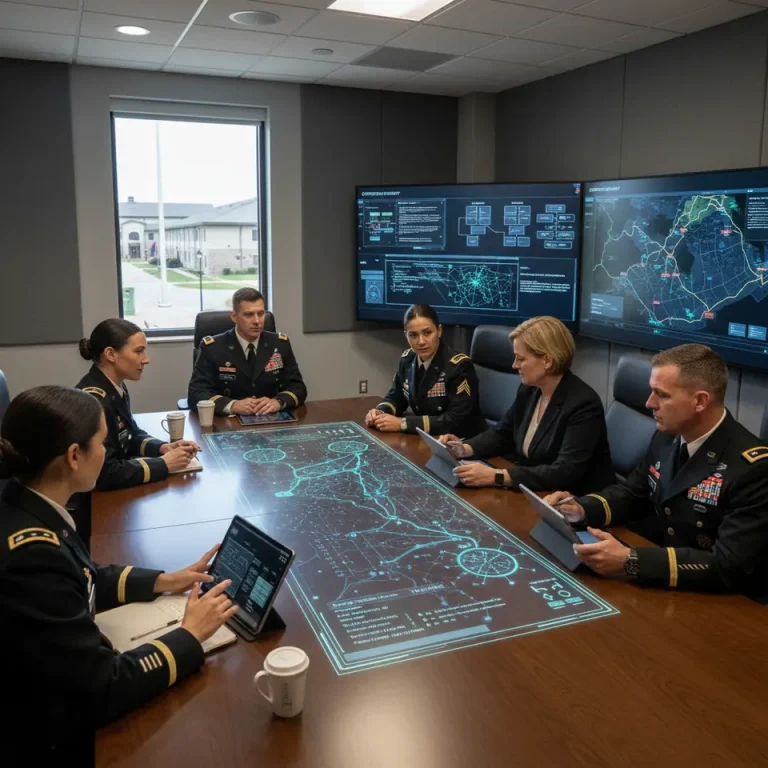
AI at Work: 5 Ways Automation Shapes the Future Workforce
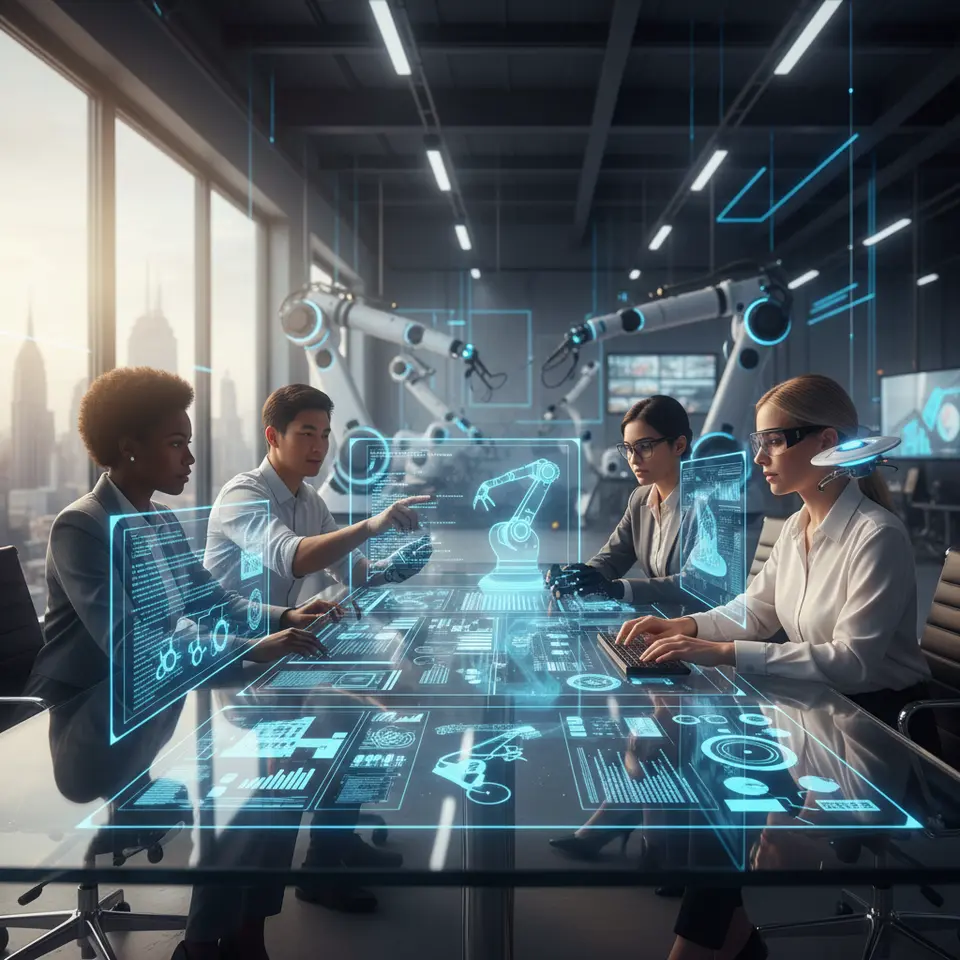
- AI is transforming workplaces through automation and virtual assistants.
- HR departments are adapting to leveraging AI for talent acquisition.
- Ethical considerations are crucial as AI tools evolve in HR functions.
- Upskilling initiatives are essential to harness AI’s potential effectively.
- Breaking News: AI at Work Gaining Unprecedented Momentum Across Industries
- AI at Work: Transforming Business Operations and Workforce Management
- Implications for HR and Recruitment Technology in the AI Era
- Future Outlook: Workforce Development and AI Automation Trends
- Conclusion
Breaking News: AI at Work Gaining Unprecedented Momentum Across Industries
Artificial Intelligence (AI) is reshaping the modern workplace at an unprecedented pace. From automating repetitive tasks to enhancing business efficiency and enabling intelligent decision-making, AI-powered tools have become indispensable in organizations worldwide. A recent call to action from The New York Times urges workers and companies to share their experiences with AI at work, reflecting growing interest in understanding the tangible impacts of AI integration on workforce dynamics.
AI at Work: Transforming Business Operations and Workforce Management
The integration of AI technologies in workplaces is no longer a futuristic concept; it is happening now. Businesses are increasingly adopting AI to streamline operations with smart automation, virtual assistants, and advanced workflow systems. Companies like AITechScope specialize in delivering AI-powered automation, including n8n workflow development and process optimization, helping organizations scale operations while reducing costs.
AI at work enables intelligent delegation of routine tasks, freeing employees to focus on higher-value activities. This shift not only drives productivity but also demands new workforce skills, creating both opportunities and challenges for human resource professionals and recruitment teams who must now identify and nurture AI-readiness in employees.
Implications for HR and Recruitment Technology in the AI Era
Human Resources departments are at the forefront of adapting to AI’s impact on the workforce. The rise of AI-powered recruitment tools allows HR teams to efficiently source talent through enhanced data analytics and candidate screening algorithms. Moreover, AI-driven virtual assistants are integral in onboarding processes and continuous employee engagement, contributing to improved workforce management.
However, as AI tools increasingly handle sensitive HR functions, ethical considerations such as transparency, bias mitigation, and privacy become critical. Industry leaders recommend robust AI governance frameworks to ensure responsible adoption. For more insights on ethical challenges, see our feature on AI compliance and business strategy.
Future Outlook: Workforce Development and AI Automation Trends
Looking ahead, the AI at work trend will accelerate, influencing not only how tasks are performed but also the structure of jobs themselves. Upskilling and reskilling initiatives focused on AI competencies are becoming vital, as organizations seek to strike a balance between human creativity and AI efficiency.
Experts predict that AI automation tools will continue to evolve, supporting hybrid workforce models where humans and AI agents collaborate seamlessly. For organizations to stay competitive, embracing AI responsibly and strategically is imperative.
HR professionals and tech companies can explore practical approaches to harness AI’s potential while addressing workforce challenges by examining case studies in automation augmentation in HR workflows and the latest research in AI tools accelerating productivity.
As The New York Times invites workers to share their AI experiences, it reflects a broader movement to understand and shape this transformative era of work. Engaging with these narratives will help build more adaptive, inclusive, and innovative workplaces.
Conclusion
The rise of AI at work is a defining trend in tech and workforce development, presenting both significant benefits and pressing challenges. For HR professionals and tech companies alike, the key to future success lies in leveraging AI-powered automation and virtual assistant technologies thoughtfully, ensuring that the human element remains central in an increasingly automated world.
Stay informed and prepared by following ongoing updates at Mumtaz Awan’s comprehensive coverage of AI in the workplace.