
AI Automation in Defense: US Military’s Use of Claude AI
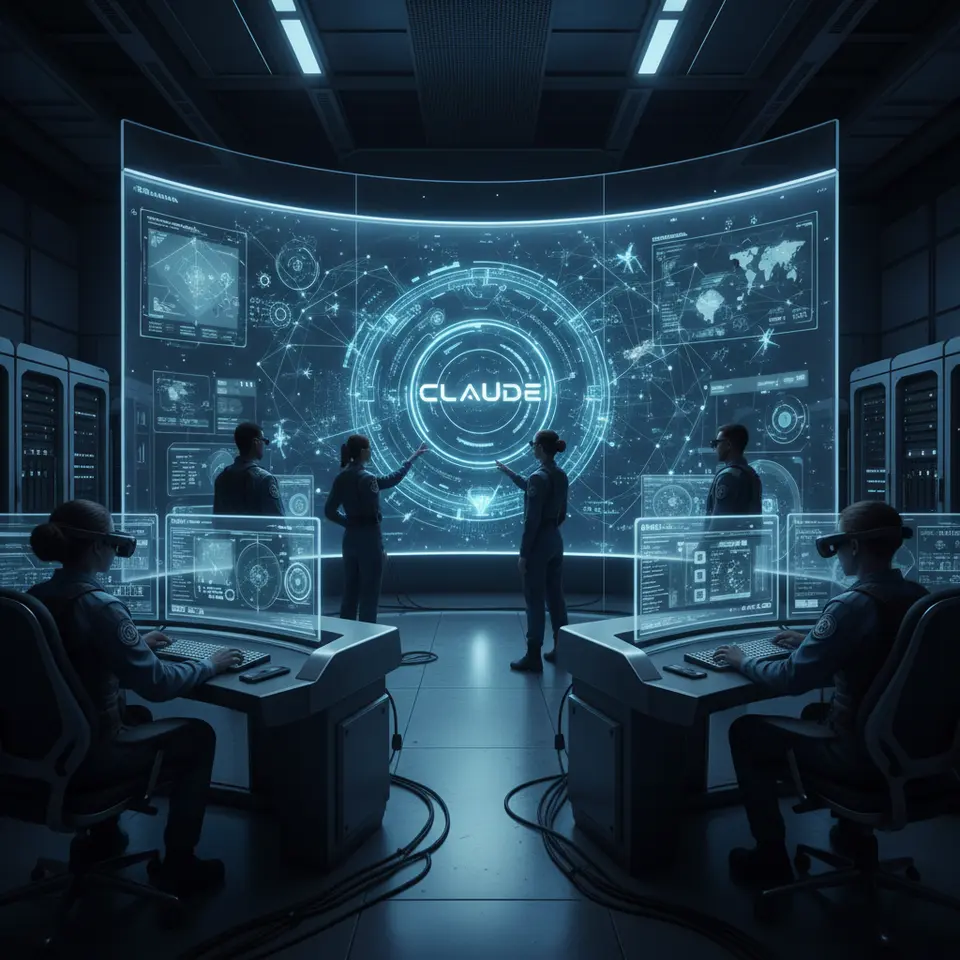
- The US military has reportedly employed Claude AI in strikes against Iran despite a prior ban.
- This reflects a significant shift towards AI automation in military operations.
- Experts suggest that AI automation could change workforce compositions and skill requirements in defense.
- Tech companies focused on AI development may face new opportunities and challenges in recruitment.
- Future discussions should revolve around AI tool governance and its implications on ethics and compliance.
Breaking: US Military Reportedly Employs Claude AI Despite Previous Ban
In a significant development in the intersection of artificial intelligence and defense, recent reports indicate that the US military has utilized Claude, an AI platform developed by Anthropic, in operational strikes against targets in Iran. This move reportedly takes place despite a prior ban on such AI technologies imposed during the Trump administration. The use of Claude AI highlights a notable shift in military automation and operational tactics, with broad implications for defense, industry, and workforce technology trends.
The Rise of AI Automation in Defense Operations
Claude, known for its advanced natural language processing and autonomous capabilities, has been spotlighted as a critical tool enhancing situational awareness, decision-making, and operational efficiencies in military environments. According to multiple sources, the US military integrated Claude AI to coordinate complex strike operations, marking a departure from previous policies that limited AI deployment in defense due to ethical and security concerns.
Experts note that this trend is part of a larger global movement towards AI-powered automation across defense sectors. “AI automation in defense not only accelerates operational tempo but also transforms workforce composition and skills requirements,” said Dr. Linda Ramirez, a defense technology analyst. This evolution calls for greater integration of AI governance frameworks, transparency, and workforce retraining initiatives.
Implications for Tech Companies and HR Professionals
The strategic incorporation of AI tools like Claude in sensitive defense scenarios resonates strongly within the broader technology ecosystem, especially for companies focused on AI development, automation, and virtual assistant services such as AITechScope. Such companies are increasingly driving innovation by harnessing AI-powered automation and workflow tools like n8n to optimize business processes. The defense sector’s adoption underscores the expanding demand for AI expertise, presenting opportunities and challenges for recruitment and HR professionals aiming to attract AI talent while managing ethical risks.
HR leaders should closely monitor shifts in workforce requirements as AI tools become embedded in mission-critical operations that demand both technical proficiency and ethical oversight. Emphasizing continuous learning and upskilling will be fundamental. Furthermore, the adoption of AI in defense raises awareness regarding compliance, data privacy, and automation governance, essential areas for workforce policy adaptation. More on these evolving workforce dynamics can be found in our analysis of AI automation workflow optimization and AI HR decision-making trends.
Future Outlook: Navigating the Intersection of AI, Defense, and Industry
The reported use of Claude AI in sensitive military operations despite prior restrictions signals a pivotal moment for AI adoption policies across industries. As defense agencies accelerate AI integration to enhance capabilities and efficiency, tech companies and workforce leaders must prepare for the accompanying operational, legal, and ethical complexities.
Strategic dialogue around AI tool governance, compliance frameworks, and human-AI collaboration will shape the future landscape. Forward-looking organizations should capitalize on AI-powered automation solutions — not only to boost productivity but also to responsibly manage workforce transformation. Insightful guidance on balancing innovation and risk is available in discussions on AI tool governance and business stability.
With AI automation reshaping defense and enterprise sectors, continuous monitoring of AI trends and workforce impact will be critical for all stakeholders aiming to thrive in this new technological era.
FAQ
A: This indicates a shift in defense strategies toward increasing reliance on AI automation despite previous bans, potentially transforming operational tactics and military efficiency.Q: How does AI automation impact workforce composition?
A: AI automation can change the skills required in defense roles, increasing the demand for tech-savvy employees and creating a need for retraining existing personnel.
Q: What are the ethical considerations of using AI in defense?
A: Ethical risks surrounding AI in defense include issues of compliance, data privacy, transparency, and the potential for automation bias.
Q: How should companies approach the integration of AI tools?
A: Companies should focus on establishing governance frameworks, training initiatives, and continuous learning programs to effectively integrate AI technology while managing ethical implications.


