AI Disruption in Cybersecurity Stocks: 5 Risks to Monitor

Estimated Reading Time: 6 minutes
Key Takeaways:
- Cybersecurity stocks have experienced a significant decline due to concerns about AI-driven disruption.
- The new AI tool from Anthropic raises questions about the sustainability of traditional cybersecurity measures.
- HR professionals must focus on reskilling and integrating AI readiness into workforce strategies.
- The tech industry is challenged to adapt to new AI technologies to avoid obsolescence.
- Responsible AI adoption and workforce upskilling are crucial for navigating the changing landscape.
Table of Contents:
- Cybersecurity Stocks Experience a Sharp Decline Following Anthropic’s AI Tool Release
- Anthropic’s AI Tool and Its Disruptive Potential
- Implications for HR Professionals and Tech Companies
- Future Outlook: Navigating AI Disruption and Opportunities
Cybersecurity Stocks Experience a Sharp Decline Following Anthropic’s AI Tool Release
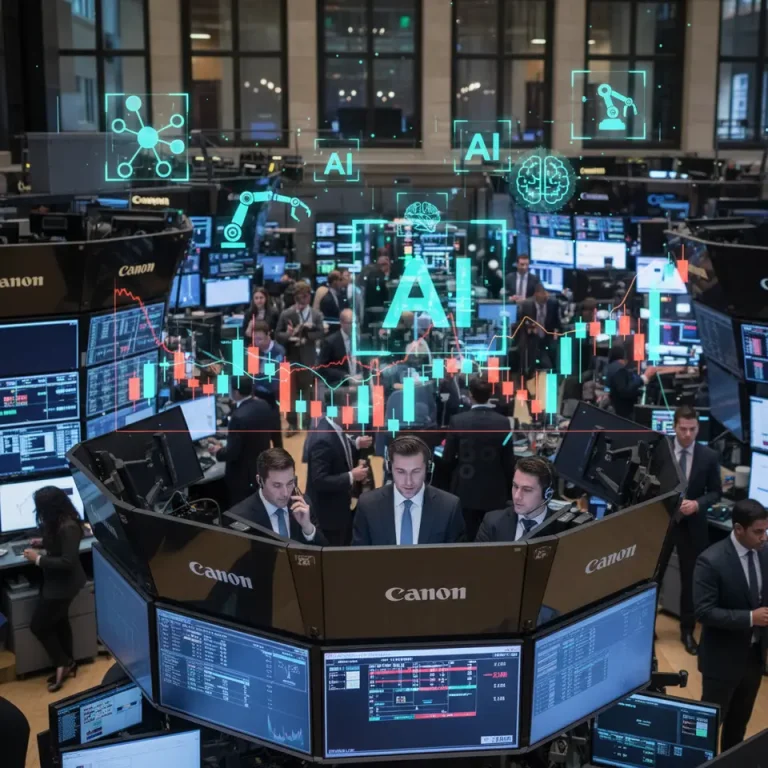
Cybersecurity stocks have declined for the second consecutive day, triggered by market apprehensions surrounding a new AI tool recently launched by Anthropic. The announcement has reignited fears of AI-induced disruption across multiple sectors, particularly within cybersecurity and workforce automation technology.
The rapid advancement of AI technologies, including those by leading providers such as Anthropic, continues to unsettle investors concerned about the long-term impact of AI on traditional cybersecurity measures. According to CNBC, this market selloff reflects a growing consensus that newer AI capabilities could outpace existing cybersecurity defenses, potentially altering investment dynamics and workforce demands within the sector.
Anthropic’s AI Tool and Its Disruptive Potential
Anthropic’s latest AI tool showcases an unprecedented degree of automation and intelligent decision-making that could fundamentally transform how companies manage cybersecurity threats. While the tool promises improvements in speed and accuracy, its disruptive potential raises concerns about existing security frameworks and job roles traditionally dominated by human experts.
Experts caution that the AI-powered automation brought forward by Anthropic and others could lead to a reevaluation of workforce strategies in cybersecurity. This development also signals the need for businesses to adapt rapidly to new technological standards or risk obsolescence.
Implications for HR Professionals and Tech Companies
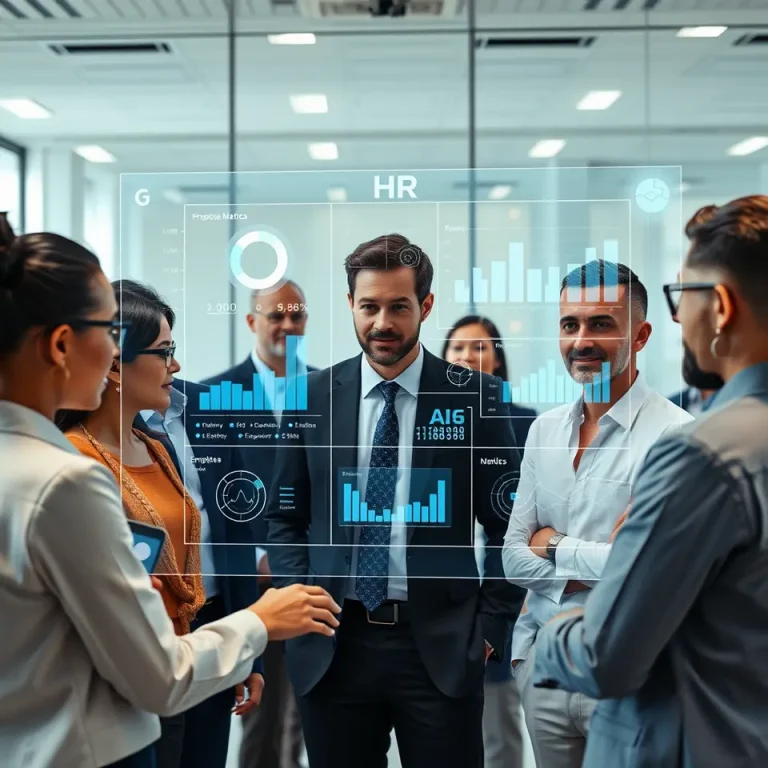
From an HR perspective, the unfolding situation underscores the urgency of reskilling and workforce transition planning. HR professionals in the tech sector must now integrate AI proficiency and automation-readiness into talent acquisition and employee development strategies to remain competitive.
Tech companies specializing in recruitment technology and workforce management are poised to play a pivotal role by designing AI-driven tools that optimize hiring processes and improve operational efficiency. Tools from companies like AITechScope, known for AI-powered automation and workflow optimization, exemplify how businesses can leverage AI to scale operations and control costs efficiently.
Furthermore, organizations should consider the evolving landscape of AI ethics, compliance, and security vulnerabilities to align workforce policies with emerging technological realities.
Future Outlook: Navigating AI Disruption and Opportunities
Looking ahead, the integration of advanced AI technologies such as those developed by Anthropic is expected to reshape not only the cybersecurity domain but also broader workforce dynamics in technology-driven industries. Market volatility in cybersecurity stocks reflects investor uncertainty but also highlights significant opportunities for innovation and workforce transformation.
Stakeholders must emphasize responsible AI adoption, continuous workforce upskilling, and robust cybersecurity practices to navigate this period of rapid change. For further insights into AI’s impact on workforce and automation, readers can explore our detailed analysis on AI adoption challenges and automation efficiencies.
In conclusion, while the immediate market reaction to Anthropic’s AI tool has been negative, the long-term effects will depend on how well companies adapt both technologically and culturally to the AI-driven future.
Internal: You can also read our guide on AI adoption reliance gap, AI tools accelerating productivity, and AI automation workflow optimization for a deeper understanding of automation’s role in workforce strategies.
FAQs
Q: What has caused the decline in cybersecurity stocks?
A: The decline is primarily due to fears surrounding the recent launch of a new AI tool by Anthropic, which investors believe could disrupt traditional cybersecurity measures.
Q: How can companies prepare for the impact of AI on their workforce?
A: Companies should focus on reskilling employees and integrating AI proficiency into their workforce strategies to remain competitive.
Q: What role do tech companies have in the evolving landscape of AI?
A: Tech companies need to develop AI-driven tools that enhance operational efficiency and adapt to new hiring practices.
Q: What are the implications of AI automation for HR professionals?
A: HR professionals must prioritize workforce transition planning and AI readiness in talent acquisition.
Q: What opportunities may arise from AI-driven disruption?
A: While there are concerns, AI-driven disruption may lead to innovation and new strategies for managing cybersecurity and workforce dynamics.