AI-Enabled Coding Tools: DOD’s Bold Rollout to Thousands

Estimated Reading Time: 6 minutes
Key Takeaways
- The DOD plans to equip tens of thousands of developers with AI-enabled coding tools.
- These tools aim to modernize software development, improve productivity, and enhance accuracy.
- Organizations can learn valuable lessons about workforce adjustment from this initiative.
- The commitment reflects a broader government trend towards AI-driven modernization.
- Future hiring strategies will require a focus on AI literacy and adaptability.
Table of Contents
DOD Embarks on Large-Scale Integration of AI-Enabled Coding Tools
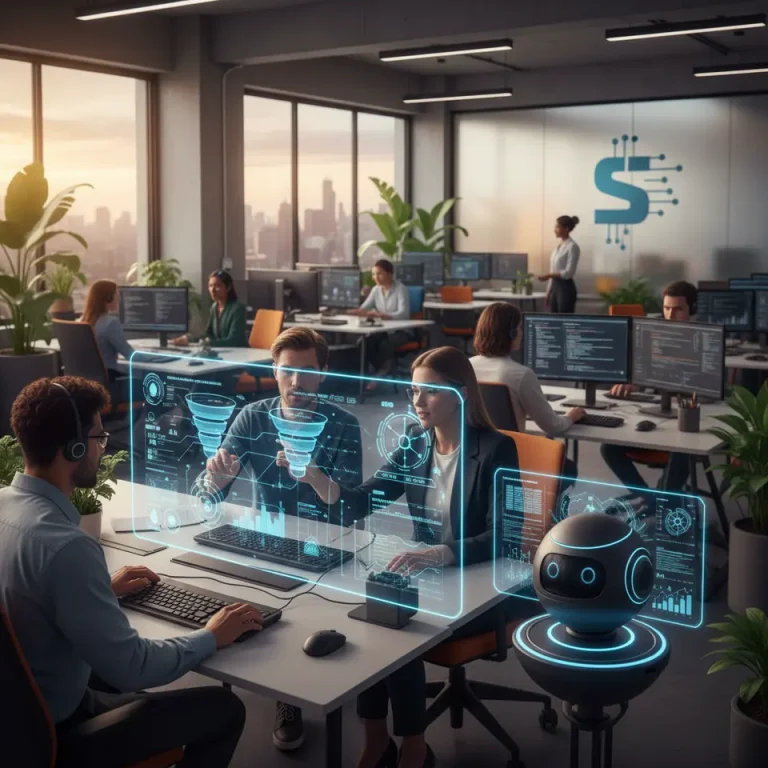
In a groundbreaking move signaling the expanding role of artificial intelligence within the government’s technology operations, the Department of Defense (DOD) has declared plans to adopt AI-enabled coding tools across its developer workforce, which numbers in the tens of thousands. This large-scale rollout intends to modernize software development processes, boost coding productivity, and strengthen defense technology capabilities.
The Scope and Significance of AI-Enabled Coding Tools in DOD
AI-enabled coding tools leverage cutting-edge machine learning models to assist developers by automating routine programming tasks, suggesting code completions, identifying bugs early, and accelerating development cycles. For the DOD’s vast and dynamic software ecosystem, the integration of these tools promises to reduce development times and enhance accuracy in writing and reviewing code, which is critical for mission-critical defense applications.
While precise details about the selected tools or vendors remain under wraps, expert observers note this move reflects a broader trend of government agencies harnessing AI automation to remain competitive and innovative in areas such as cybersecurity, autonomous systems, and data analytics.
Implications for the Developer Workforce and Recruitment
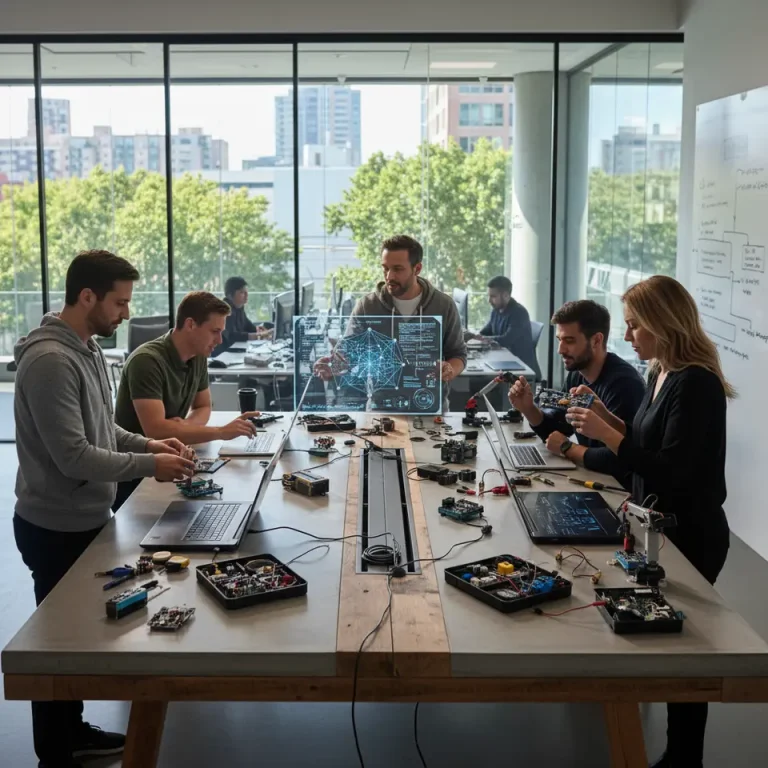
The planned deployment to tens of thousands of users marks one of the largest government efforts to empower developers with AI assistance. This development has broad implications for workforce strategy within the DOD, including recruitment, training, and productivity management.
Human Resources and technology managers will need to recalibrate hiring criteria to emphasize AI literacy and adaptability, ensuring developers excel alongside evolving tools. Moreover, training programs will become critical in equipping existing staff to leverage AI-enabled coding platforms efficiently. This evolving landscape aligns with wider industry trends where AI integration is rapidly redefining software engineering roles and skills.
Organizations, including private tech firms, can draw valuable lessons from the DOD’s initiative about scaling AI adoption among large technical teams, addressing workforce transition challenges, and maximizing the return on investment in AI tools.
Expert Insights and Industry Trends
Industry specialists highlight that AI-enabled coding tools are becoming a standard productivity booster across sectors, but large-scale adoption in government contexts comes with unique demands, such as heightened security, compliance, and customization needs. According to AITechScope, a leader in AI-powered automation and business process optimization, intelligent delegation via AI can dramatically improve operational efficiencies while reducing costs.
Furthermore, as documented in recent technology trend analyses, organizations embracing AI tools benefit from accelerated innovation cycles and improved software quality, factors vital for sustaining competitive advantage in fast-evolving markets.
HR professionals interested in future-proofing their technology workforce should monitor emerging tools and policies shaping AI adoption, including ethical AI use, data privacy, and transparency challenges that impact recruitment technology frameworks.
Looking Ahead: Future Outlook for AI Tools in Government and Industry
The DOD’s commitment to AI-enabled coding tools signals a broader government push toward AI-driven modernization that could redefine how critical software is developed and maintained. As the adoption expands, lessons learned from this ambitious deployment will likely influence AI strategies across public and private sectors.
For human resource leaders, this trend underscores an urgent need to develop AI-centric hiring and continuous learning environments that can adapt to rapidly advancing technology landscapes.
Businesses and government entities planning similar AI integrations should consider frameworks for responsible AI adoption, focusing on upskilling, risk management, and augmentation rather than replacement of technical talent. This approach aligns with insights from the article on AI adoption and reliance gap and the evolving dynamics highlighted in AI coding tools productivity concerns. Additionally, the role of AI-powered automation in enhancing business efficiency is further explored in AI automation services for business efficiency.
Overall, the DOD’s initiative to equip tens of thousands of developers with AI-enabled coding tools represents a pivotal moment in tech workforce evolution, promising enhanced productivity, innovation, and competitive readiness for one of the world’s most complex software development environments.
Frequently Asked Questions
What are AI-enabled coding tools?
AI-enabled coding tools are software applications that use artificial intelligence to assist developers in automating coding tasks, improving efficiency, and enhancing software accuracy.
How will AI tools impact the developer workforce?
The integration of AI tools is expected to alter hiring practices, training programs, and overall productivity management as developers will need to adapt to new technologies.
What are the broader implications of DOD’s AI initiative?
This initiative could reshape how government agencies utilize AI across various functions, leading to innovative practices, efficient processes, and potential cost savings.