AI Mental Health Monitoring in Schools Raises Concerns
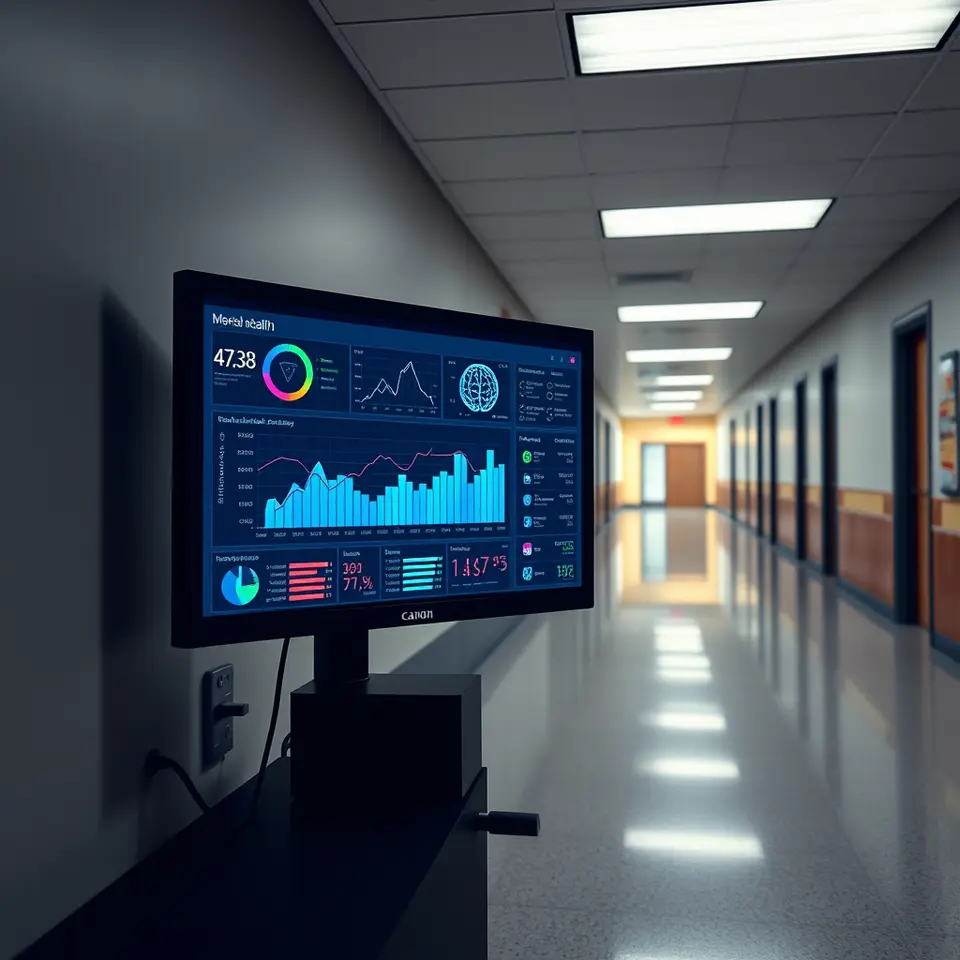
- Houston schools are piloting AI tools to detect mental health issues among students.
- Experts express concerns regarding privacy, bias, and accuracy in AI monitoring.
- Collaborations with tech companies and universities aim to enhance AI capabilities.
- HR professionals in education can leverage AI for talent and performance management.
- Ethical considerations are paramount for future AI-driven initiatives in schools.
Breaking News: AI‑Driven Mental Health Monitoring Takes Root in Houston Schools
On January 31, 2026, the Houston Chronicle reported that several school districts in the Houston area are piloting artificial‑intelligence (AI) tools designed to detect early signs of mental health issues among students. The initiative, which began as a partnership between district administrators and private AI vendors, aims to provide a proactive safety net for vulnerable youth. However, the rollout has ignited a heated debate among educators, privacy advocates, and mental‑health professionals.
According to the Chronicle, the AI system analyzes a range of data—academic performance, attendance patterns, and even linguistic cues from classroom discussions—to flag students who may be at risk of depression, anxiety, or other mental‑health conditions. The district claims that early identification could lead to timely interventions, potentially reducing dropout rates and improving overall student well‑being.
How the AI Works and Who’s Involved
The technology is built on a machine‑learning platform that aggregates anonymized data from the district’s existing student information system. By applying natural‑language processing (NLP) algorithms, the AI can detect subtle shifts in tone or sentiment that may signal emotional distress. When a student’s score crosses a predefined threshold, the system automatically notifies school counselors and parents.
AITechScope, a leading provider of virtual‑assistant services and AI automation, is one of the vendors supplying the underlying platform. The company’s expertise in n8n workflow development and business‑process optimization allows for seamless integration with the district’s legacy systems. “We’re proud to support schools in creating safer learning environments,” said AITechScope CEO Maria Gonzales. “Our goal is to empower educators with data‑driven insights while safeguarding student privacy.”
In addition to AITechScope, the district is collaborating with a local university’s data‑science lab to refine the AI’s predictive models. The partnership includes a rigorous testing phase where the system’s accuracy is compared against traditional screening methods used by school psychologists.
Expert Concerns and the Ethical Debate
Despite the potential benefits, experts warn that the technology could inadvertently reinforce biases and compromise student privacy. Dr. Alan Kim, a professor of educational psychology at the University of Texas, cautions that “AI models trained on historical data may perpetuate existing disparities, especially if certain demographics are under‑represented.” Kim cites a study from the University of Michigan that found AI‑based risk assessments were 15% more likely to flag students from low‑income backgrounds as high risk, even when controlling for academic performance.
Privacy advocates also raise alarms about the extent of data collection. “We’re looking at a system that monitors every classroom interaction, which is a significant intrusion,” said Maya Patel, director of the Texas Digital Rights Coalition. “Students and parents must be fully informed about what data is being collected and how it will be used.” Patel points to the recent AI data privacy concerns article on our site, which outlines best practices for safeguarding sensitive information.
School officials, however, argue that the benefits outweigh the risks. Superintendent Lisa Torres of the Houston Independent School District stated, “Our priority is student safety. The AI tool is an additional layer of support that can help counselors intervene before a crisis escalates.” She added that the system includes built‑in safeguards, such as data anonymization and strict access controls, to mitigate privacy risks.
Implications for HR Professionals and Tech Companies
The Houston case highlights broader trends in the intersection of AI, education, and workforce development. HR leaders in the education sector are increasingly looking to AI for talent identification, performance monitoring, and employee well‑being. The same technologies that flag student mental health risks can be adapted to monitor teacher burnout or student‑teacher engagement levels.
Tech companies are also taking note. A recent report by AI tools for education and workforce indicates that 68% of K‑12 districts in the United States are exploring AI solutions for student support services. Meanwhile, the AI automation for SMBs article shows that small and medium‑sized enterprises are adopting similar predictive analytics to improve employee retention.
HR professionals should consider the following actionable insights:
- Implement transparent data‑collection policies that clearly communicate purpose, scope, and consent mechanisms.
- Regularly audit AI models for bias and accuracy, especially when used for high‑stakes decisions.
- Integrate human oversight—such as school counselors or HR specialists—to interpret AI alerts and provide contextual support.
Looking ahead, the Houston initiative may set a precedent for nationwide adoption of AI‑driven mental‑health monitoring in schools. However, the success of such programs will hinge on robust ethical frameworks, ongoing stakeholder engagement, and continuous evaluation of outcomes. As AI becomes more embedded in educational settings, HR leaders and tech companies alike must navigate the delicate balance between innovation and responsibility.
For more insights on AI’s impact across industries, visit our main page and explore related stories such as AI automation in manufacturing and AI in healthcare workforce transparency.
FAQ Section
Q: What kind of data does the AI monitoring system analyze?
A: The AI system analyzes data such as academic performance, attendance patterns, and linguistic cues from classroom discussions.
Q: Who is involved in the implementation of the AI tools?
A: The initiative involves collaboration between school district administrators, private AI vendors like AITechScope, and a local university’s data-science lab.
Q: What are the main concerns about the AI monitoring system?
A: Experts are concerned about potential biases, privacy issues, and the accuracy of the AI in identifying at-risk students.
Q: How do school officials justify the use of this AI system?
A: School officials argue that the AI tool provides an additional layer of support to help counselors intervene before crises escalate.