Netflix InterPositive AI Partnership Boosts Streaming Efficiency
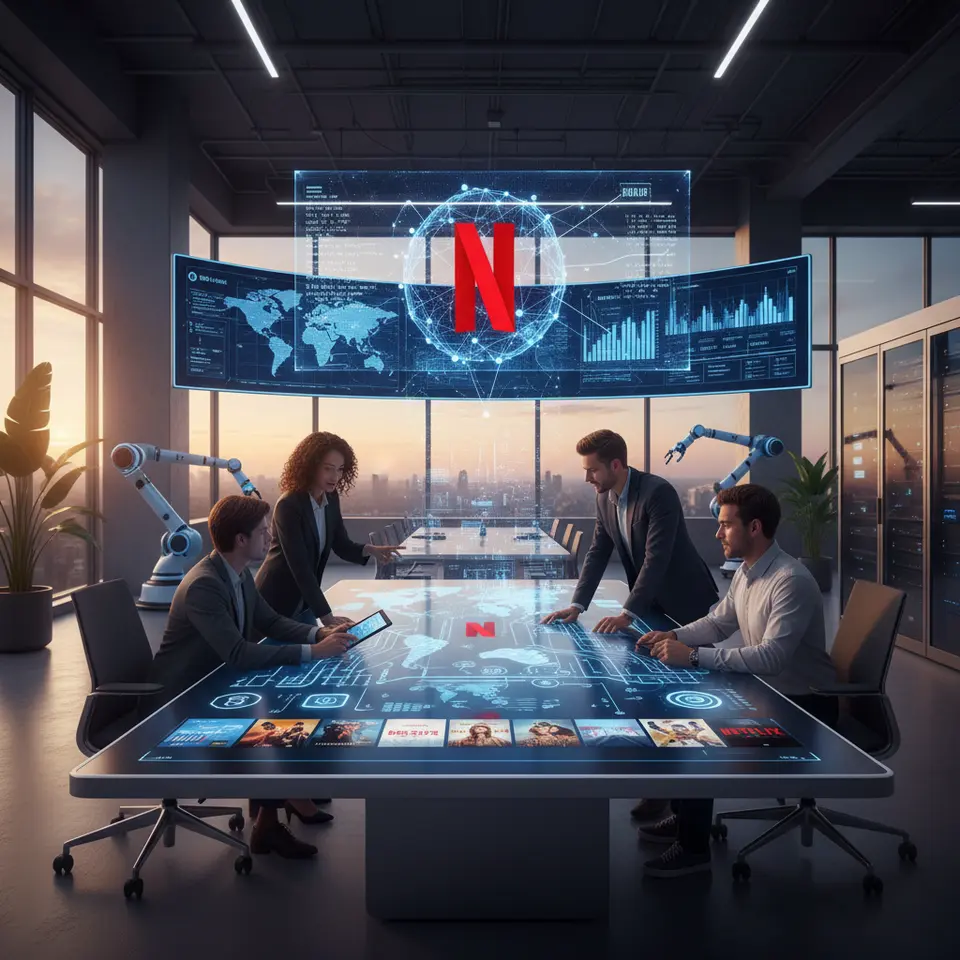
- Netflix enters a partnership with InterPositive AI focusing on optimization over automation.
- The deal aims to improve operational efficiency while retaining human expertise.
- AI is utilized to enhance processes, not replace human workers.
- Emphasizes the importance of continuous employee upskilling in an AI-enhanced environment.
- Sets a precedent for ethical AI integration across industries.
Netflix’s New AI Deal Emphasizes Optimization Over Automation
In a significant tech industry development, Netflix has entered into a partnership with InterPositive AI, shifting the narrative from traditional automation towards advanced optimization. Announced on March 13, 2026, this deal reflects Netflix’s strategic focus on refining its internal processes and enhancing content delivery without fully automating workforce functions. This approach aims at improving operational efficiency while maintaining human oversight and quality control.
The Strategic AI Shift: From Automation to Optimization
The Netflix-InterPositive AI deal diverges from the prevalent trend of adopting full automation systems. Instead, it prioritizes optimization—leveraging AI to augment human tasks rather than replace them. This reflects a growing recognition in the tech industry that intelligent optimization can yield better results by focusing on improving workflows, content recommendation algorithms, and customer engagement metrics.
An eMarketer report highlights that rather than extensive automation disrupting jobs, Netflix seeks to use AI to streamline decision-making processes and improve user experiences without sacrificing human creativity or control. Optimization strategies help the company fine-tune operations such as content curation, personalized recommendations, and streaming quality enhancements.
Implications for Recruitment Technology and Workforce Development
Netflix’s nuanced AI strategy offers valuable insights for HR professionals and tech companies navigating the evolving workforce landscape. The emphasis on AI-powered optimization rather than outright automation impacts recruitment technology by reshaping roles and expectations.
As AI handles repetitive and analytical tasks, human employees are empowered to focus on strategic decision-making and creative inputs. This transition creates a demand for employees skilled in AI-driven insights and human-AI collaboration. It also stresses the importance of continuous workforce upskilling and adaptability in an AI-integrated environment.
Companies like AITechScope, specialists in AI-powered automation and business process optimization, emphasize the role of virtual assistants and workflow development platforms such as n8n to help businesses scale operations, reduce costs, and improve efficiencies while fostering intelligent delegation.
Expert Insights and Industry Outlook
AI experts explain that Netflix’s approach underscores a shift in the technology adoption lifecycle where optimization is now favored over disruption. “Optimization-focused AI partnerships allow companies to preserve critical human expertise while enhancing productivity,” remarked a leading AI strategist.
Statistics reveal that businesses integrating optimization-focused AI tools experience up to 30% improvements in operational efficiency without significant layoffs or role replacements. This trend suggests sustainable AI adoption that can coexist with workforce stability and innovation.
Looking forward, this partnership sets a precedent for other tech companies aiming to harness AI ethically and effectively. It indicates a broader industry push towards responsible AI integration that balances automation benefits with workforce empowerment.
HR leaders are advised to invest in training programs emphasizing AI literacy and collaborative workflows. Tech companies should evaluate AI tools not only for automation potential but for their capacity to optimize business processes and enhance employee engagement.
Read also our coverage on AI Automation Workflow Optimization for insights on blending AI technologies with human workflows. Explore how organizations tackle the AI Adoption Reliance Gap to improve implementation, and understand the impact of Shadow AI Workflow Disruption in enterprise settings.
Conclusion: A Balanced Path for AI in Streaming and Beyond
Netflix’s InterPositive AI collaboration exemplifies a sophisticated deployment of AI, focusing on optimization rather than wholesale automation. By augmenting human work and enhancing operational workflows, Netflix is pioneering a practical, balanced AI adoption model relevant across industries.
For HR professionals and technology strategists alike, this case study offers actionable lessons in managing workforce transitions and technology implementations simultaneously. The move toward optimization paves the way for more sustainable, human-centric AI integrations in the coming years.
A: Netflix’s partnership with InterPositive AI focuses on optimization rather than full automation, aiming to enhance operational efficiency while keeping human oversight intact.
A: The partnership encourages the upskilling of employees to focus on strategic and creative tasks, while AI handles repetitive processes.
A: There will be a reshaping of roles and expectations as companies seek workers skilled in AI collaboration and decision-making.
A: Optimization aims to enhance productivity and workflow without sacrificing human expertise, thereby ensuring a stable workforce.