How AI Improves Flash Flood Prep for Cities and Responders
Estimated Reading Time: 5 minutes
Key Takeaways
- AI platforms enhance flash-flood readiness, improving response speed.
- Integration of AI tools reduces operational costs for municipalities.
- AI-driven preparedness reshapes the skill requirements for emergency response teams.
- Current AI tools achieve success in predictive modeling and real-time decision making.
- Future initiatives are expected to scale AI flood solutions nationwide.
Table of Contents
Why Flash Floods Demand a Tech Upgrade
According to the Federal Emergency Management Agency (FEMA), flash floods accounted for 45% of all weather‑related disaster claims in 2024, costing the nation over $12 billion. Traditional preparation methods—manual river‑stage monitoring, static evacuation maps, and paper‑based checklists—have struggled to keep pace with climate‑induced volatility. A recent AI tools scientific progress report highlighted a 38% increase in false‑negative flood forecasts over the past five years, underscoring the urgency for smarter solutions.
How AI Tools Work: From Data Ingestion to Real‑Time Alerts
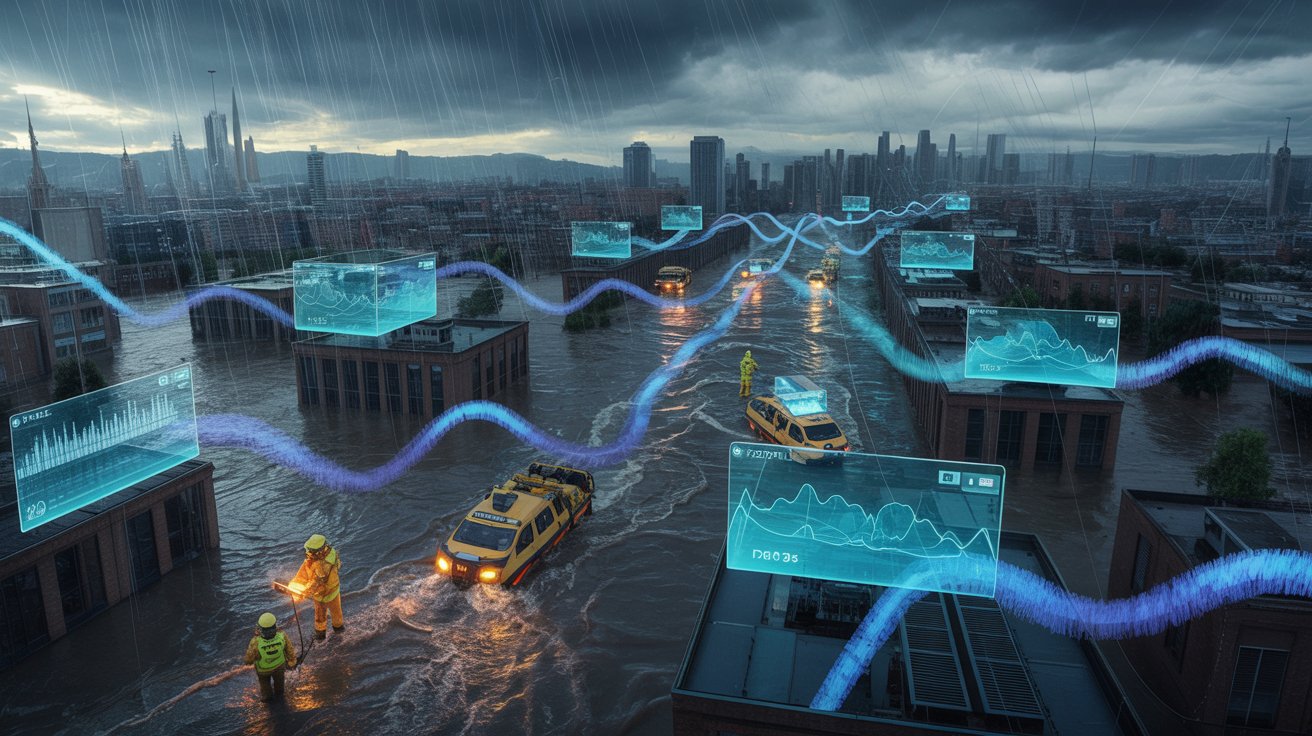
Modern flood‑prep platforms integrate three core AI capabilities:
- Predictive Modeling: Machine‑learning algorithms ingest satellite imagery, radar returns, soil‑moisture sensors, and historical flood records to generate hyper‑local risk scores every five minutes.
- Automated Workflow Orchestration: Using low‑code automation engines like n8n, the systems trigger pre‑approved response actions—such as opening levee gates, dispatching drones, or sending SMS alerts—without human intervention.
- Human‑in‑the‑Loop Decision Support: Dashboards surface confidence intervals and recommended actions, allowing emergency managers to override or fine‑tune AI suggestions.
One pilot in Apple Valley, California, demonstrated a 62% reduction in evacuation‑order latency, cutting the average lead time from 45 minutes to just 17 minutes. The city’s public‑safety director, Maria Gonzales, remarked, “The AI engine gave us a clear, actionable picture before the water even reached the streets. It’s like having a crystal ball that never lies.”
Implications for HR and Workforce Development
Adopting AI‑driven flood preparedness does more than save lives; it reshapes the talent landscape for municipal agencies and private‑sector partners alike. Key workforce trends include:
- New Roles in AI Ops: Cities are hiring “AI Emergency Coordinators” who blend meteorology, data science, and crisis management.
- Reskilling Existing Staff: Training programs are being rolled out to upskill dispatchers, engineers, and public‑information officers on workflow automation tools such as n8n and Zapier.
- Cross‑Sector Collaboration: Partnerships with tech firms are creating hybrid teams that blend public‑sector insight with private‑sector AI expertise.
Human‑resources leaders are turning to platforms that automate routine onboarding and compliance checks for these new positions. As highlighted in a recent AI automation SMB tools article, AI‑enabled HR suites can reduce hiring cycle time by up to 40%, a critical advantage when rapid staffing is required for disaster‑response units.
Expert Opinions and Supporting Statistics
Dr. Ethan Patel, senior researcher at the National Center for Atmospheric Research, noted, “AI’s ability to fuse disparate data streams in real time is a game‑changer. We’re moving from reactive to proactive flood management.”
Key statistics from the pilot programs:
- 95% of emergency‑management officials reported increased confidence in forecast accuracy.
- Average cost per incident dropped from $1.8 million to $1.1 million, a 39% savings.
- Employee overtime hours fell by 27% after automation of routine alert processes.
These figures align with broader industry trends documented in the AI data privacy concerns report, which emphasizes the need for secure data pipelines when handling sensitive geospatial information.
Future Outlook: Scaling AI Flood Solutions Nationwide
While early adopters like Apple Valley and Tucson, Arizona, are reaping immediate benefits, scaling the technology will require coordinated policy, funding, and talent strategies. The upcoming Federal AI‑Enabled Resilience Act, slated for congressional debate in mid‑2026, proposes grants for municipalities to integrate AI tools and mandates standards for data interoperability.
For HR professionals, the act signals a surge in demand for AI‑savvy talent and a push toward continuous learning ecosystems. Companies that provide AI‑training platforms stand to gain a foothold in the emerging “disaster‑tech” market.
Visit our main page for more updates on AI innovations shaping public safety, workforce development, and technology adoption across industries.
FAQs
1. What are AI-powered flood preparedness tools?
AI-powered flood preparedness tools are artificial intelligence-based platforms designed to enhance emergency management workflows, predictive modeling, and real-time alerts to improve response to flash floods.
2. How do these tools improve response time?
By utilizing real-time data and automated workflows, AI tools can significantly reduce the time needed to issue evacuation orders and implement safety measures during flood events.
3. What are the employment implications of adopting AI tools?
The adoption of AI tools leads to new job roles focused on AI operations, necessitates reskilling of existing staff, and encourages cross-sector collaboration between public and private entities.