AI Surveillance Privacy Boosts Protection with 5 Key Steps
- AI surveillance at DHS raises significant privacy concerns.
- Debate intensifies over the balance between national security and civil liberties.
- AI technologies in government could affect private sector practices in hiring and employee monitoring.
- Calls for stricter oversight of AI systems are increasing.
- Ethical AI design is essential to safeguard employee rights.
- AI surveillance at the U.S. Department of Homeland Security (DHS) has crossed a line
- AI Surveillance and the Rise of Government Tracking
- Implications for Workforce Automation and Recruitment Technology
- Future Outlook: Balancing Innovation with Rights
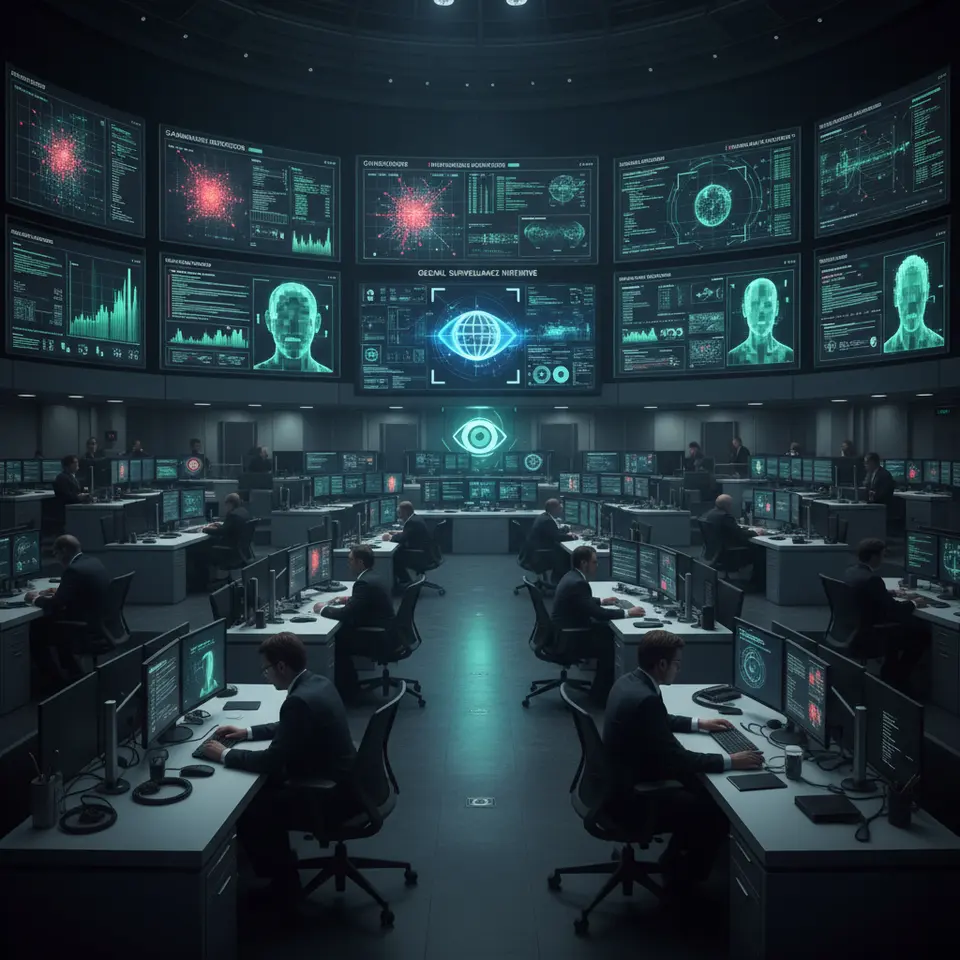
AI surveillance at the U.S. Department of Homeland Security (DHS) has crossed a line into tracking Americans, sparking a national debate on privacy and civil liberties.
On February 6, 2026, the American Immigration Council released a scathing report titled Mission Creep: AI Surveillance at DHS Crosses Dangerous Line Into Tracking Americans, revealing that DHS has deployed advanced machine‑learning models to monitor the movements and communications of U.S. citizens without prior authorization. The findings suggest that the agency’s new surveillance platform, dubbed “Project Echo,” aggregates data from public and private sources—social media, mobile phone metadata, and even commercial traffic cameras—to create real‑time behavioral profiles.
According to the report, Project Echo can flag individuals who cross certain geographic thresholds or exhibit patterns deemed “high risk.” While DHS claims the system is designed to enhance national security, critics argue it represents a dangerous expansion of state power that infringes on constitutional rights. The American Civil Liberties Union (ACLU) has called for an immediate moratorium on the technology, citing the Fourth Amendment’s protection against unreasonable searches.
AI Surveillance and the Rise of Government Tracking
AI surveillance is no longer confined to border control or counterterrorism. The DHS’s new tool illustrates a broader trend in which government agencies adopt AI to fill gaps in traditional intelligence workflows. According to a 2025 Gartner study, 68% of U.S. federal agencies have integrated AI into at least one operational process, with 42% reporting increased efficiency but also heightened concerns about data misuse.
“The line between surveillance for safety and surveillance for control is thin,” says Dr. Maya Patel, a cybersecurity professor at Stanford University. “When AI systems are used to predict who might become a threat, they also risk profiling entire communities.” Dr. Patel’s research, published in the Journal of Digital Ethics, found that predictive policing algorithms often exhibit bias against minority groups, leading to disproportionate scrutiny.
For HR professionals and tech companies, the DHS case underscores the need for robust AI governance frameworks. The AI Data Privacy Concerns article on our site highlights best practices for ensuring that AI systems comply with privacy regulations and ethical standards. Companies that develop or deploy AI tools must adopt transparent data‑handling policies, conduct regular bias audits, and provide clear opt‑out mechanisms for users.
Implications for Workforce Automation and Recruitment Technology
While the DHS report focuses on national security, its implications ripple through the private sector. Many enterprises are already using AI to streamline hiring, performance management, and employee monitoring. The same technologies that enable Project Echo—natural language processing, facial recognition, and predictive analytics—are also employed in recruitment platforms to screen candidates and assess employee engagement.
“If the government can use AI to track citizens, it’s a stark reminder that corporate AI can do the same if left unchecked,” notes Laura Kim, CTO of TalentFlow, a leading AI‑powered recruitment firm. Kim warns that “unchecked AI in HR can lead to discrimination, privacy violations, and a loss of trust among employees.” She recommends adopting a “human‑in‑the‑loop” approach, where AI assists but does not replace human judgment.
In the context of workforce trends, the DHS case may accelerate the adoption of AI governance tools. The AI Automation Barron Manufacturing article explores how manufacturing firms are integrating AI while maintaining compliance with safety and privacy regulations. Similarly, the AI Clinician Productivity piece demonstrates how AI can enhance productivity without compromising patient confidentiality—an approach that HR leaders can adapt for employee data.
Future Outlook: Balancing Innovation with Rights
As AI technologies become more pervasive, the line between beneficial innovation and invasive surveillance will continue to blur. Policymakers are already drafting legislation aimed at curbing the misuse of AI in public surveillance. The proposed AI Transparency Act would require agencies to disclose the datasets and algorithms used in AI systems, as well as provide independent oversight.
For tech companies, the DHS report is a wake‑up call to prioritize ethical AI design. By embedding privacy‑by‑design principles and engaging with external auditors, firms can mitigate risks while still reaping the efficiency gains of AI. HR professionals, in particular, should champion transparent AI policies that protect employee privacy and promote fairness.
In the words of Dr. Patel, “AI is a tool, not a verdict. How we choose to use it will define the future of our society.” As the debate over AI surveillance at DHS unfolds, the tech industry must lead by example, ensuring that innovation never comes at the cost of individual rights.
Frequently Asked Questions (FAQ)
What is AI surveillance?
AI surveillance refers to the use of artificial intelligence technologies to monitor individuals or groups, often raising concerns about privacy violations.
How does the DHS use AI for surveillance?
The DHS has implemented advanced AI systems to track movements and communications of U.S. citizens without prior authorization.
What are the implications of AI surveillance for private companies?
AI surveillance practices employed by the government can influence how private companies use similar technologies in hiring and employee monitoring.
What measures are being discussed to regulate AI surveillance?
Legislation like the proposed AI Transparency Act aims to bring oversight and disclosure requirements for AI systems used in surveillance.
How can companies ensure ethical AI practices?
Companies are encouraged to adopt transparent data handling policies, regular bias audits, and prioritize privacy by design.