AI Tools: 5 Steps for Physical World Integration
Key Takeaways
- AI tools are evolving to engage with the physical world, changing workflows and automation.
- Automation through AI can enhance HR processes like recruitment and training.
- Investment in AI proficiency is crucial for workforce adaptation.
- Transparent AI deployment is essential for ethical workforce management.
- Organizations need to prepare strategically for AI integration in operational processes.
Table of Contents
Breaking News: AI Tools Transition from Virtual to Physical Applications
Artificial intelligence technologies, traditionally confined to digital environments, are rapidly evolving to interact directly with the physical world. A recent analysis highlights how AI tools are being prepared for physical world applications, signifying a pivotal shift in how organizations will leverage automation and intelligent systems for operational efficiency and workforce augmentation.
AI Tools Physical World Integration: The Next Frontier
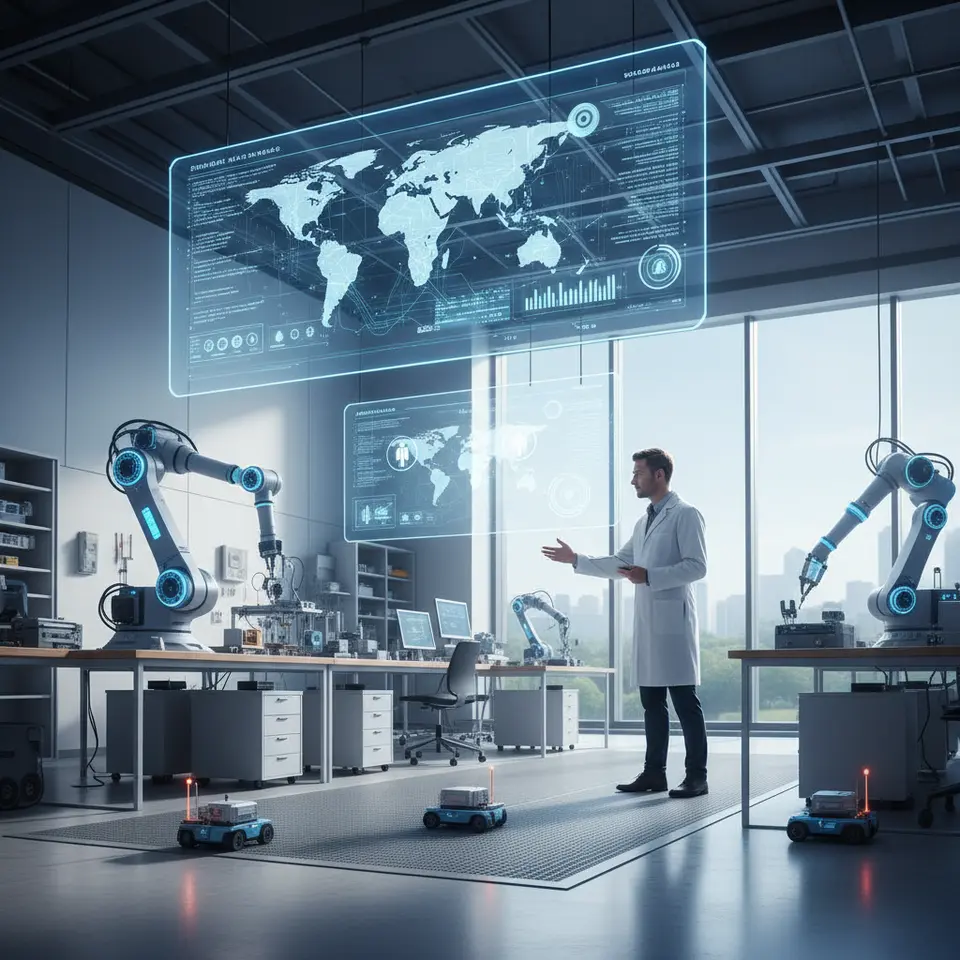
The Economist reports that AI advancements are extending beyond software automation into tangible, real-world environments. This evolution means AI-powered systems will increasingly handle tasks requiring interaction with physical objects, environments, and human activity. Enterprises are already exploring uses ranging from AI-driven robotics to smart sensors and autonomous logistics, which promise to revolutionize supply chains, manufacturing, and service delivery.
AITechScope, a leader in AI virtual assistant services and workflow automation, exemplifies this trend by integrating AI-powered automation with n8n workflow development strategies, optimizing business processes to scale operations and reduce costs.
Integration of AI in physical environments provides numerous opportunities for HR and recruitment technology sectors. From automating routine workflows to enhancing decision-making with intelligent delegation, AI tools enable workforces to focus on higher-value activities, boosting productivity and innovation.
Workforce Automation and Recruitment Technology Implications
The increasing deployment of AI tools into the physical realm directly affects workforce trends. Automation solutions powered by AI can ease operational burdens, reduce manual errors, and streamline processes such as onboarding, training, and employee support.
For HR professionals, embracing AI-driven automation and workforce technology means developing new policies that integrate AI tools responsibly while ensuring employee engagement and upskilling. Furthermore, recruitment platforms are benefiting from AI’s capacity to optimize candidate selection and match workflows, thus accelerating hiring cycles and improving talent acquisition outcomes.
Enterprises aiming for operational excellence are turning to companies like AITechScope to harness the potential of AI to smartly delegate tasks and optimize workflows, highlighting the necessity for continuous adaptation to AI advancements within organizational culture.
Practical Insights for HR and Tech Companies
As AI tools prepare to bridge the digital and physical worlds, HR leaders and technology companies should consider several critical factors:
- Adopt a forward-looking AI strategy: Evaluate how AI tools can augment existing processes, especially in automating physical tasks like inventory management or facility maintenance.
- Develop workforce AI proficiency: Invest in training employees to work alongside AI systems, ensuring smoother adoption and maximizing technology benefits.
- Focus on ethical and compliance frameworks: Maintain transparency in AI tool deployment to uphold trust and mitigate risks related to AI in hiring or worker monitoring.
- Embrace workflow automation platforms: Utilize advanced tools such as n8n and AI-powered virtual assistants to integrate data and physical operations efficiently.
For more context on AI’s evolving role in business and workforce transformation, readers can explore articles such as AI automation services boosting business efficiency, AI tools transforming the education workforce, and Shadow AI’s impact on workflow disruption.
Industry Outlook: Bridging AI Innovation with Workforce Evolution
The convergence of AI tools into the physical world marks a significant shift in the tech landscape. Organizations that proactively adapt to this trend by investing in AI-powered automation and workforce technology will gain a competitive advantage in agility and cost efficiency.
The anticipated acceleration of autonomous AI workflows demonstrates the transformative potential across sectors—from manufacturing floors to enterprise offices—ultimately redefining roles, enhancing productivity, and driving innovation.
As AI adoption deepens, HR and business leaders must carefully balance technological benefits with workforce dynamics, fostering environments where human and AI capabilities collaborate seamlessly. The future workplace will be characterized by augmented intelligence, where human creativity and AI’s operational prowess coexist.
This emerging AI era calls for continuous learning and adaptation, underscoring the importance of strategic foresight, technical investment, and ethical governance to harness the full potential of AI tools’ physical world integration.
Frequently Asked Questions (FAQs)
How do AI tools integrate into the physical world?
AI tools are being designed to interact with physical objects and environments through automation and robotics, enabling functions such as logistics and manufacturing processes.
What are the implications of AI tools in the workforce?
AI tools can automate repetitive tasks, enhance recruitment processes, and improve decision-making, leading to increased productivity and innovation in the workplace.
What should organizations consider for AI adaptation?
Organizations should evaluate their current processes, invest in employee training, ensure ethical AI deployment, and be ready to adjust their operational strategies in line with AI advancements.