Pentagon AI Tools Enhance Strategies Against China Cyber Threats
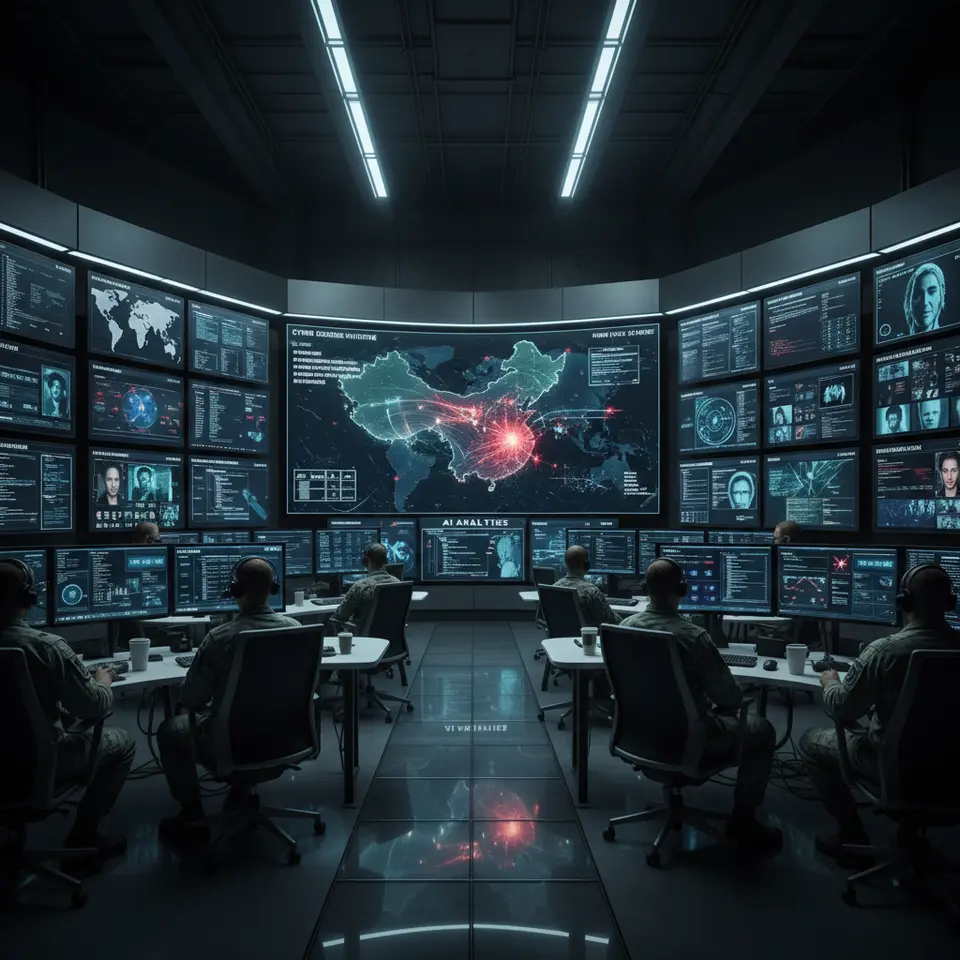
- Pentagon is developing AI tools to enhance cybersecurity against China.
- AI’s role in cybersecurity is crucial in detecting and mitigating threats.
- Organizations should invest in AI talent and continuous upskilling.
- The integration of AI can streamline workflows and enhance defense capabilities.
- Embracing AI transformation is essential for resilience in cybersecurity.
In a significant move to bolster national cybersecurity defenses, the Pentagon has embarked on an ambitious initiative to develop advanced artificial intelligence (AI) tools specifically designed to counter cyber operations attributed to China. Announced on February 27, 2026, this strategic development reflects growing concerns about increasingly sophisticated cyber threats and the critical role AI will play in modern defense mechanisms.
Cybersecurity experts have long warned that state-sponsored cyber activities present complex challenges requiring innovative and adaptable responses. The Pentagon’s investment in AI-powered solutions aims to enhance detection, response, and mitigation capacities against persistent cyberattacks originating from Chinese sources.
AI’s role in cybersecurity is rapidly expanding, with government agencies and private sector players alike leveraging machine learning and automation to identify vulnerabilities and thwart threats in real-time. The Pentagon’s new AI tools are expected to include capabilities such as predictive analytics, automated threat hunting, and intelligent incident response workflows that can operate at scale and speed beyond traditional methods.
This trend parallels broader patterns in tech innovation where AI-driven automation is reshaping workforce dynamics and operational strategies. Companies like AITechScope exemplify this shift by specializing in AI-powered automation, workflow development using platforms like n8n, and business process optimization, helping organizations reduce costs and improve efficiency through intelligent delegation.
The increasing reliance on AI tools in defense and cybersecurity also presents important workforce considerations, particularly for HR professionals and tech firms focused on recruitment and development. Hiring talent with expertise in AI, machine learning, and cybersecurity automation is becoming imperative to build resilient teams capable of managing evolving threats.
Moreover, AI integration incentivizes continuous upskilling and cross-disciplinary collaboration between AI engineers, cybersecurity specialists, and compliance experts. HR leaders must therefore design recruitment strategies and professional development programs that reflect these emerging needs to maintain competitive and capable cyber defense workforces.
Organizations can learn from the Pentagon’s approach by adopting AI automation tools to enhance internal workflows, reduce operational friction, and strengthen security postures. For instance, leveraging AI to optimize recruitment processes or conduct risk assessments can streamline efforts and bolster overall business resilience.
As the threat landscape evolves, the deployment of advanced AI tools like those developed by the Pentagon underscores a broader imperative to stay ahead of adversaries in cyberspace. These investments signal not only a response to China’s cyber operational tactics but also a recognition that AI-powered cybersecurity solutions will be foundational to national and corporate defense strategies in the years to come.
For HR professionals and tech companies, this development highlights the importance of embracing AI-driven transformation and adapting workforce capabilities accordingly. Fostering a culture of innovation and agility, while ensuring ethical and compliant AI use, will be key to successfully navigating this rapidly changing environment.
To further explore how AI tools are reshaping industries and workforces, you may find valuable insights in our articles on AI Automation in HR Operations, AI Tools in Education and Workforce Development, and AI Tool Governance and Business Stability.
Q: What is the main goal of the Pentagon’s AI tool development?
The primary goal is to enhance cybersecurity defenses against cyber operations attributed to China.
Q: How will AI tools improve cybersecurity?
AI tools will help in the detection, response, and mitigation of cyber threats through advanced capabilities like predictive analytics and automated threat hunting.
Q: What are the implications for the workforce in cybersecurity?
The reliance on AI tools necessitates hiring talent with expertise in AI and cybersecurity, alongside continuous upskilling.
Q: How can organizations utilize AI tools?
Organizations can adopt AI automation tools to enhance workflows, optimize recruitment, and conduct risk assessments for improved business resilience.
Q: Why is embracing AI-driven transformation important?
Embracing AI transformation is key to staying resilient in a rapidly changing cybersecurity landscape.