Advanced AI Tools in Military: A New Era in Warfare
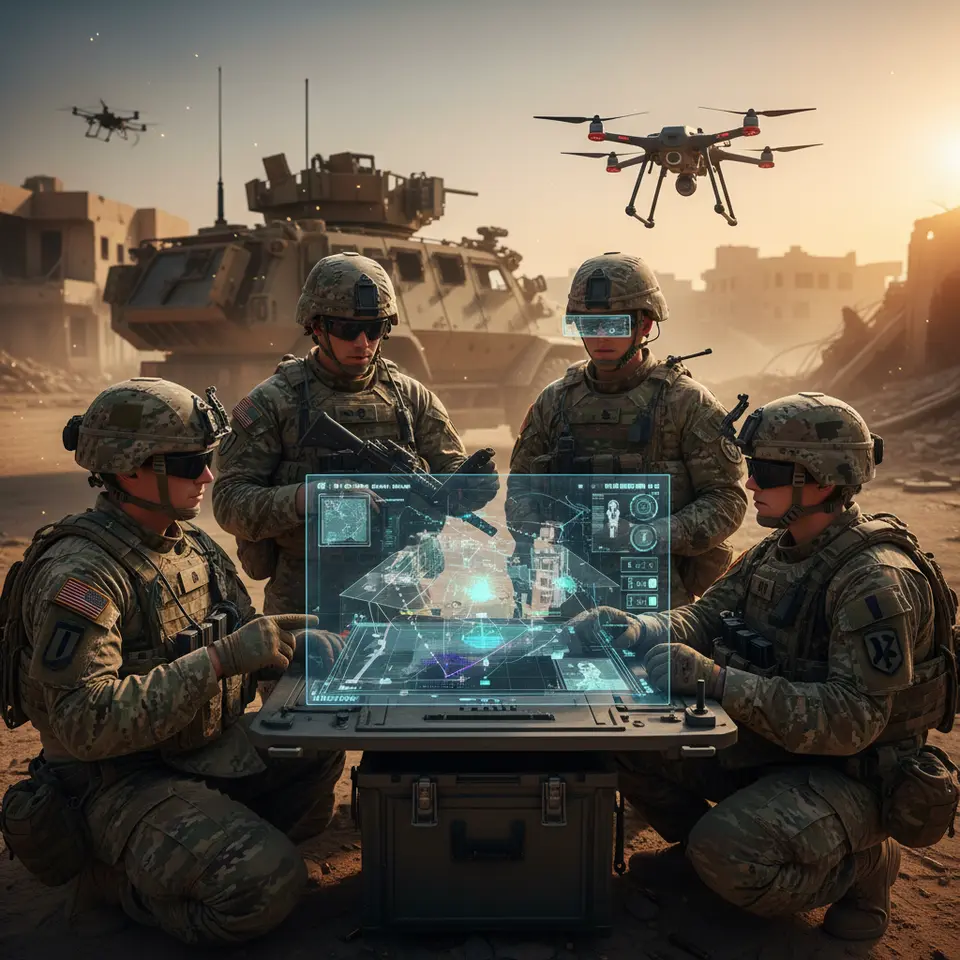
- The US military confirms the deployment of advanced AI tools in the conflict with Iran.
- This development represents a significant technological shift towards automated warfare.
- AI tools improve operational efficiency, battlefield analysis, and decision-making.
- Recruitment in defense technology will prioritize AI specialists and data scientists.
- The integration of AI in defense highlights ethical implications and workforce transformations.
- 1. Breaking: US Military Confirms Deployment of Advanced AI Tools in War Against Iran
- 2. Role and Impact of Advanced AI Tools in Modern Warfare
- 3. Implications for Tech and HR Professionals in Defense Technology
- 4. Future Outlook: AI Trends and Workforce Developments in Defense
Breaking: US Military Confirms Deployment of Advanced AI Tools in War Against Iran
The US military has officially confirmed it is using ‘advanced AI tools’ in its ongoing conflict against Iran, according to a recent report by Al Jazeera dated March 11, 2026. This development marks a significant leap in leveraging artificial intelligence within military operations, raising critical questions about the future of warfare and defense technology.
Advanced AI tools, which embody cutting-edge developments in machine learning, data processing, and autonomous decision-making, are reportedly being integrated to enhance operational efficiency, real-time battlefield analysis, and tactical strategy execution. While specific details remain classified, defense analysts agree that this represents a strategic shift toward more automated and tech-driven combat scenarios.
Role and Impact of Advanced AI Tools in Modern Warfare
The use of advanced AI tools in the conflict highlights the evolving nature of warfare where speed, accuracy, and real-time data interpretation determine outcomes. According to military experts, AI-driven systems can process vast amounts of battlefield intelligence to identify threats, optimize logistics, and support command decisions faster than traditional methods.
“Integrating AI in military operations is not just about automation; it’s about augmenting human decision-making capabilities with intelligent systems that can adapt to dynamic environments,” says defense technology researcher Dr. Helen Cross. “This trend also signals the increasing reliance on AI in warfare, potentially reshaping conflict rules and ethical considerations.”
This breakthrough comes amid ongoing global discussions about AI ethics, regulation, and the risk of autonomous weapons. The US military’s move underlines the pressure on governments to accelerate AI adoption for strategic advantages while navigating complex legal and humanitarian frameworks.
Implications for Tech and HR Professionals in Defense Technology
The integration of advanced AI in military operations also has significant implications for recruitment and workforce development within the defense tech sector. HR professionals and tech companies must now focus on hiring AI specialists, data scientists, and experts in automation and workflow systems capable of supporting sophisticated AI deployments.
AITechScope, a leading provider of AI-powered automation and workflow solutions, exemplifies the type of innovative companies facilitating this transition. They help organizations optimize business processes and scale operations efficiently by leveraging intelligent delegation supported by AI tools such as n8n workflow development.
For HR professionals, understanding the nuances of AI-driven workforce transformation is critical. Recruiting talent skilled in AI ethics, compliance, cybersecurity, and AI-human interaction frameworks will be essential to responsibly manage and develop these technologies within high-stakes environments like defense.
Future Outlook: AI Trends and Workforce Developments in Defense
The US military’s adoption of advanced AI tools in active conflict underscores a broader technological trend shaping not only warfare but also recruitment technology and workforce innovation. Experts anticipate accelerated AI integration across defense sectors, healthcare, manufacturing, and government services, making AI proficiency a top priority for future-ready professionals.
Tech companies and HR teams should prepare for this by focusing on continuous training and development programs that build AI literacy and ethical awareness among employees. Leveraging insights from resources such as the article on AI adoption and reliance gap and understanding the challenges posed by shadow AI in workflow disruption can help organizations stay ahead in this rapidly evolving landscape.
As AI-powered automation continues to revolutionize operational capabilities, strategic workforce planning and ethical AI governance will define success in defense technology domains. The integration of advanced AI tools marks a pivotal moment for industry stakeholders to align technological innovation with responsible, human-centric approaches.
For further coverage on AI’s impact in defense and technology sectors, visit our insights on AI tools transforming the workforce.