Automated Reasoning and Trust in AI: 5 Insights from Byron Cook

Estimated reading time: 3 minutes
Key Takeaways
- Byron Cook emphasizes the critical role of automated reasoning in building trust and ensuring reliability in increasingly complex AI systems.
- Automated reasoning provides mathematical guarantees for AI system behavior, reducing errors and enhancing transparency, particularly in high-stakes sectors.
- For HR professionals, embedding trust through verified AI tools is crucial for maintaining ethical standards and employee confidence in AI-driven processes.
- Organizations must invest in upskilling HR teams to understand AI ethics, risks, and opportunities for responsible AI adoption.
- The conversation underscores that trust is a fundamental necessity, not a luxury, for AI systems to achieve widespread acceptance and responsible use in business.
Table of Contents
Breaking News: Byron Cook Discusses Automated Reasoning and Trust in AI Systems
In a pivotal conversation on February 17, 2026, Byron Cook illuminated the evolving landscape of automated reasoning and the critical role of trust in artificial intelligence (AI) systems. As AI-driven automation continues to disrupt industries, understanding how to ensure reliability and build stakeholder confidence is paramount.
Cook, a leading figure in formal methods and automated reasoning, highlighted the increasing complexity of AI systems and the urgent demand for transparent, trustworthy algorithms that can be verified automatically. This insight comes at a time when AI adoption is accelerating rapidly across sectors, with businesses seeking not only to innovate but also to cultivate sustainable trust with users and regulators alike.
Automated Reasoning: The Backbone of Trustworthy AI Systems
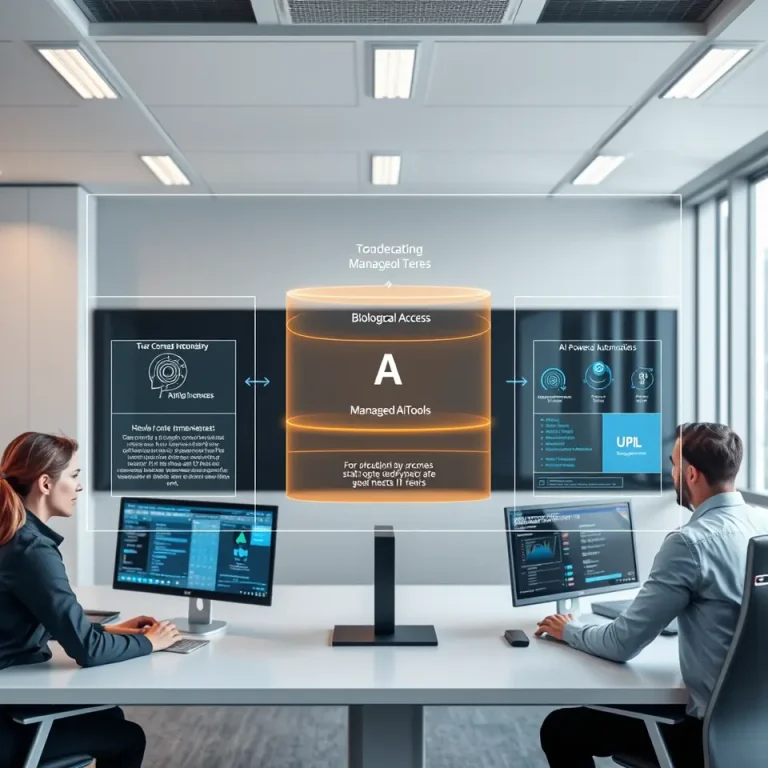
Automated reasoning refers to the use of advanced algorithms and formal methods to verify that AI systems behave as intended under all circumstances. Byron Cook emphasized how these techniques can provide mathematical guarantees about system behavior, reducing errors and vulnerabilities that could otherwise undermine operational integrity.
“Automated reasoning tools play an essential role in moving AI from experimental to dependable systems,” Cook stated. “They enable developers and organizations to detect flaws early, assure compliance with safety standards, and enhance the system’s transparency.” This is vital for sectors with high stakes such as healthcare, finance, and autonomous vehicles, where errors can have catastrophic consequences.
Providers like AITechScope are leveraging AI-powered automation coupled with workflow development tools such as n8n to not only optimize business processes but also integrate verification processes that improve operational dependability and reduce human error.
Implications for HR Professionals and Tech Companies
For HR professionals and workforce managers in tech-driven organizations, Cook’s insights translate into practical guidance. As AI systems become integral to recruitment, employee onboarding, and task automation, embedding trust through verified AI tools is essential to maintain ethical standards and employee confidence.
Workforce developments influenced by AI automation raise important questions about transparency in hiring algorithms and decision-making systems. Implementing automated reasoning frameworks can help verify fairness and accountability, areas increasingly scrutinized by regulatory bodies.
Furthermore, organizations must invest in upskilling HR teams to understand AI ethics, risks, and opportunities. Companies like AITechScope exemplify how intelligent delegation and automation not only reduce operational costs but also support a responsible AI adoption culture.
Future Outlook: Building Sustainable AI Ecosystems
Looking ahead, the industry is poised for advances that will further fuse automated reasoning with trust-building measures. Enhanced verification tools, standardized compliance procedures, and collaborative efforts between AI developers, regulators, and end-users will play critical roles.
Byron Cook’s conversation underlines the growing recognition that trust is not a luxury but a necessity for AI systems to achieve widespread acceptance and responsible use. As AI becomes more embedded in business processes, the interplay between automation, transparency, and human oversight will define successful implementations.
For a deeper dive into AI adoption and its impacts on workforce and compliance, readers can explore related insights in AI Adoption and Reliance Gap, the evolving AI automation landscape in AI Automation 2026 Cost Efficiency, and the challenges posed by unsanctioned AI solutions in Unsanctioned AI Tools and Enterprise Risk.
As AI continues to evolve, embracing automated reasoning to build trustworthy systems represents a cornerstone for innovation that is both ethical and effective in driving future business success.
FAQ: Frequently Asked Questions
What is automated reasoning in the context of AI systems?
Automated reasoning involves using advanced algorithms and formal methods to mathematically verify that AI systems will behave exactly as intended under all possible conditions. This helps detect flaws, ensure compliance, and enhance transparency.
Why is trust critical for AI adoption, and how does automated reasoning contribute to it?
Trust is critical because without it, AI systems face resistance from users, regulators, and stakeholders. Automated reasoning builds trust by providing verifiable guarantees about an AI system’s reliability, safety, and fairness, making it dependable rather than experimental.
How do Byron Cook’s insights impact HR professionals in tech companies?
Cook’s insights highlight that HR professionals must ensure AI tools used in recruitment, onboarding, and task automation are verified for ethical standards and fairness. It also stresses the importance of upskilling HR teams in AI ethics and risks to support responsible AI adoption.
What role do automated reasoning tools play in high-stakes industries?
In high-stakes industries like healthcare, finance, and autonomous vehicles, errors can have catastrophic consequences. Automated reasoning tools are vital as they provide mathematical guarantees, detect flaws early, assure compliance with safety standards, and enhance transparency, making AI systems dependable for critical applications.
What are the future trends for building sustainable AI ecosystems?
Future trends include further fusion of automated reasoning with trust-building measures, enhanced verification tools, standardized compliance procedures, and collaborative efforts between AI developers, regulators, and end-users. The goal is to ensure AI innovation is both ethical and effective, with trust as a cornerstone.