AI Chatbots for Mental Health: 5 Essential Insights
- AI chatbots provide accessible mental health support but should not replace human therapists.
- They can enhance early intervention and coping strategies for mild to moderate concerns.
- Professionals warn against relying on chatbots for complex diagnostics or crisis situations.
- HR and tech companies must adopt these tools responsibly, ensuring proper oversight and protocols.
- Future development requires collaboration between AI developers and mental health experts.
- AI Chatbots in Mental Health: A Growing Trend With Mixed Reactions
- When AI Chatbots Can Help: Accessible Support and Early Intervention
- Where AI Falls Short: Handling Crisis and Complex Diagnostics
- Implications for HR and Tech Companies: Responsible AI Adoption in the Workplace
- The Road Ahead: Enhancing AI Chatbots for Safe and Effective Mental Health Support
AI Chatbots in Mental Health: A Growing Trend With Mixed Reactions
The trend of using AI chatbots for mental health support continues to grow rapidly as technology advances. On March 7, 2026, CNBC highlighted professional insights on when it is appropriate to engage AI-driven chatbots for mental health-related conversations and when it is critical to avoid relying solely on these tools. As AI becomes increasingly integrated into health and wellness domains, understanding the capabilities and limitations of these technologies is vital for individuals, HR professionals, and tech companies deploying such solutions.
When AI Chatbots Can Help: Accessible Support and Early Intervention
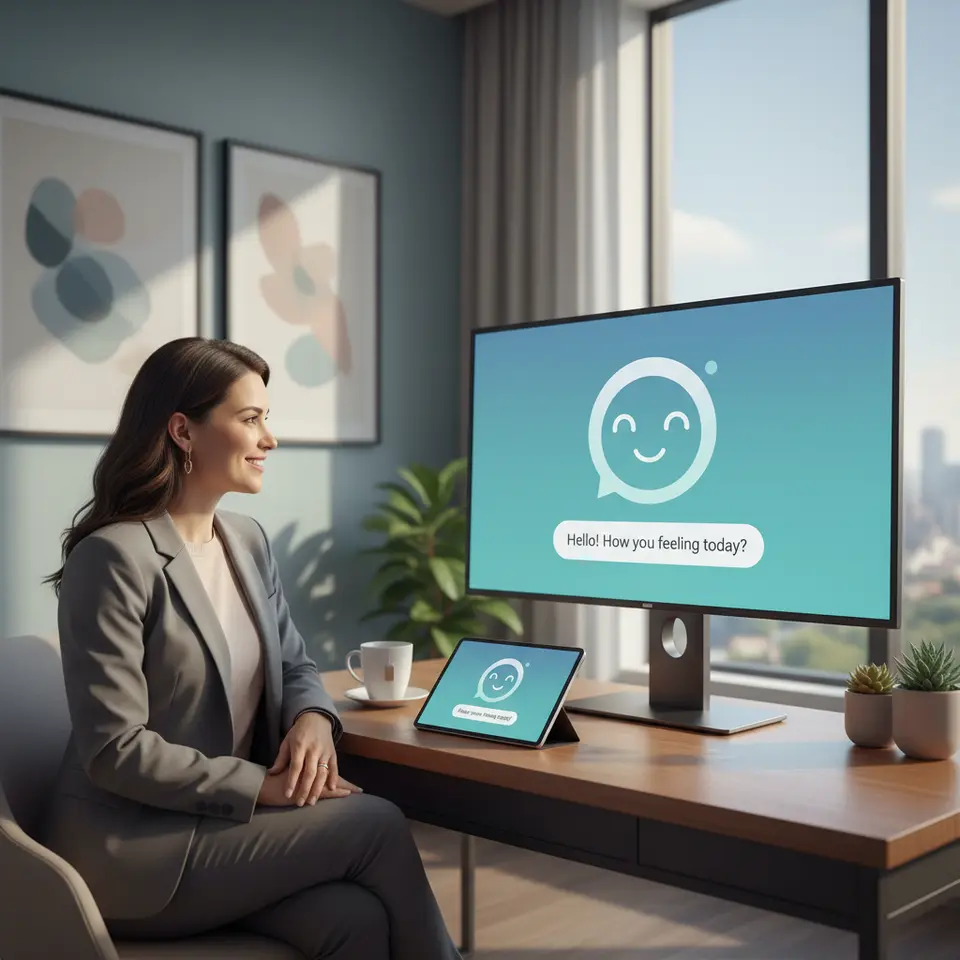
AI chatbots powered by sophisticated natural language processing models offer 24/7 availability that can provide mental health support for mild to moderate concerns. Professionals acknowledge that AI can assist as a first line of interaction by offering coping strategies, self-help resources, and emotionally supportive conversations. This accessibility is especially valuable in underserved regions or during crisis moments when human therapists are not immediately available.
Experts emphasize how AI can serve as a bridge to care, encouraging users facing stress, anxiety, or depression symptoms to recognize their condition and seek professional help. This is consistent with broader trends in AI tools transforming mental health care by making initial contact less intimidating and more private.
Where AI Falls Short: Handling Crisis and Complex Diagnostics
Despite their evolving sophistication, AI chatbots are not replacements for professional human therapists, particularly in cases involving suicidal ideation, complex psychiatric disorders, or crises requiring nuanced judgment. Mental health professionals caution against using chatbots as the sole resource in these scenarios due to limitations in empathy, context understanding, and the lack of personalized diagnosis or treatment planning.
This underlines concerns raised about unauthorized AI healthcare tools, which may pose risks without proper oversight or integration into clinical pathways. When AI applications exceed their intended role, they could lead to misdiagnosis, inadequate responses, or delayed critical care.
Implications for HR and Tech Companies: Responsible AI Adoption in the Workplace
HR professionals and tech companies exploring AI-powered mental health solutions need to balance innovation with responsibility. Incorporating AI chatbots can enhance employee wellness programs by providing immediate support and easing access to resources, but policies must stipulate clear boundaries and escalation protocols for human intervention.
Industry leaders are urged to implement rigorous vetting for AI tools to ensure compliance with healthcare standards and data privacy regulations. Furthermore, training staff to recognize AI’s role in mental health support can help optimize benefits while mitigating unintentional harm.
Given the ongoing evolution of AI in health and workforce contexts, stakeholders can benefit from reviewing comprehensive insights on the AI adoption and reliance gap as well as best practices for blending AI workflows with human expertise in mental health care.
The Road Ahead: Enhancing AI Chatbots for Safe and Effective Mental Health Support
The future of AI chatbots in mental health hinges on continuous improvements in context sensitivity, ethical use, and integration with human services. Collaboration between AI developers, mental health experts, and regulatory bodies is crucial to foster tools that empower users safely.
As AI technologies develop, HR professionals and tech companies will play a pivotal role in adopting AI solutions that complement traditional mental health services, ensuring ethical standards and employee wellbeing remain at the forefront of innovation.
Frequently Asked Questions (FAQ)
A: No, AI chatbots should not replace human therapists, especially in complex cases or crises requiring nuanced judgment.
A: AI chatbots offer 24/7 support, help with early intervention, and provide resources for mild to moderate mental health concerns.
A: It’s important to use them as a supplement to human support and ensure there are protocols for escalating to professional help.
A: Businesses should establish clear guidelines, ensure compliance with regulations, and provide training for staff.