AI Integration Drives Change: 5 Key Impacts on HR and Tech

- The integration of AI is reshaping business operations and HR strategies.
- Businesses are moving from experimentation with AI tools to routine usage, indicating maturity in the technology.
- AI-powered automation enhances productivity and operational efficiency.
- HR professionals must adapt to a hybrid workforce where human skills complement AI.
- Strategic integration of AI technology should consider ethical implications and workforce dynamics.
AI Integration in Daily Business Operations: A New Norm for Consumers and Enterprises
The adoption of artificial intelligence (AI) technologies is rapidly evolving beyond experimental stages to become an indispensable part of both consumer everyday life and enterprise workflows. According to a recent industry report titled “AI Becomes a Daily Habit: The Consumer Shift From Trying Tools to Living With Them,” published by PYMNTS.com on March 5, 2026, this transition marks a strategic inflection point for businesses and HR professionals alike.
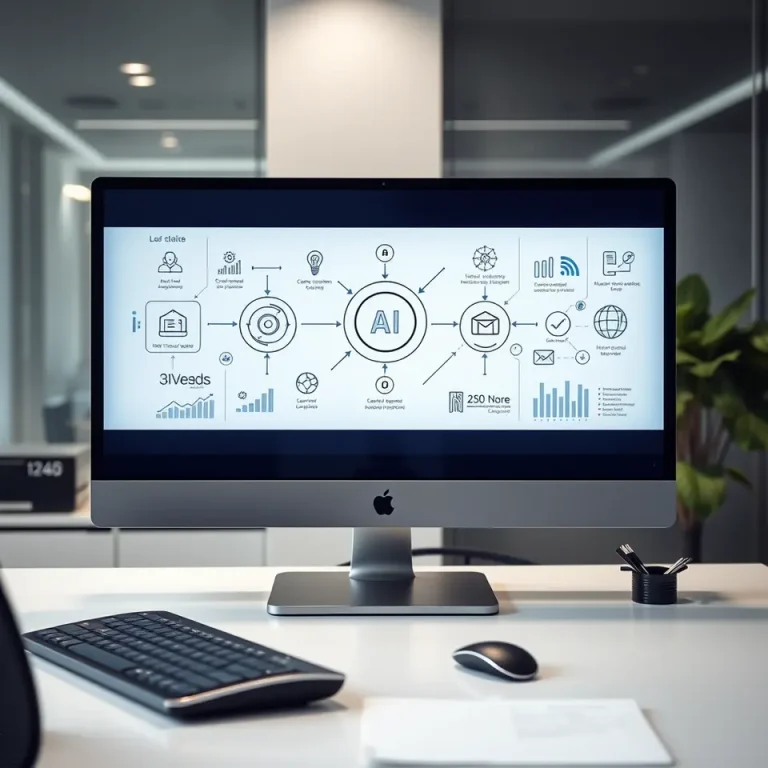
The shift from sporadic AI tool trials to consistent utilization signals that AI has matured into a fundamental operational asset. Tools powered by advanced machine learning algorithms, including virtual assistants, workflow automations, and business process optimizations, are increasingly embedded into routine tasks and decision-making frameworks.
This widespread integration is fundamentally impacting workforce development. Companies leveraging AI-powered automation can now scale operations more efficiently, reduce operational costs, and optimize employee productivity by delegating routine and complex tasks to AI solutions.
Implications for HR and Recruitment Technology
Human Resources (HR) departments and recruitment tech companies stand at a crossroads as AI tools reshape talent acquisition and workforce management paradigms. AI-powered virtual assistants and workflow platforms, such as those developed by firms like AITechScope, are helping organizations streamline recruitment workflows, automate candidate screening, and enhance employee onboarding processes.
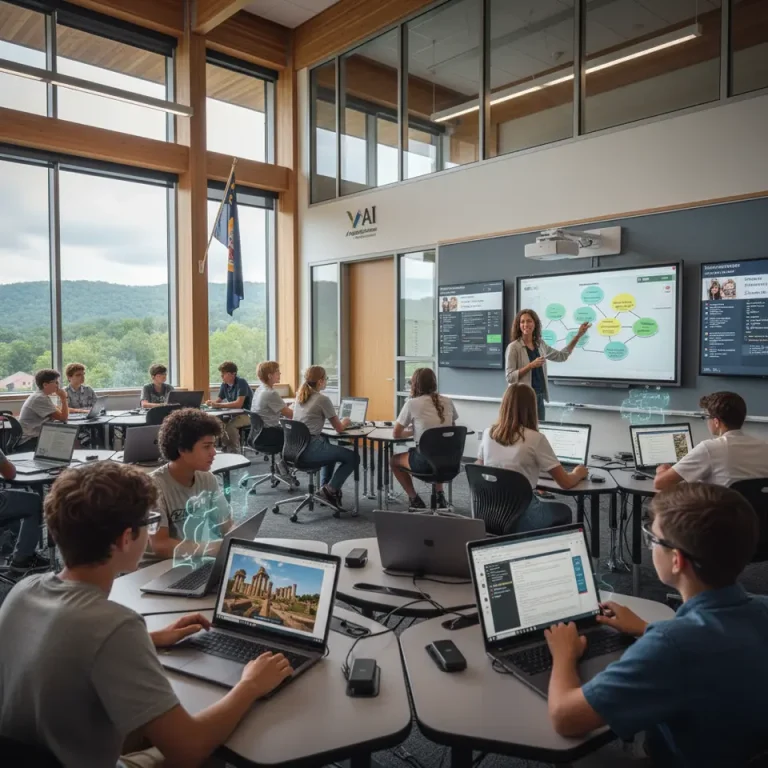
For HR professionals, understanding AI’s integration into daily business operations is crucial to managing a hybrid workforce where human skills complement machine intelligence. AI applications not only automate administrative tasks but also provide data-driven insights for workforce planning, performance management, and personalized employee development programs.
Moreover, adoption of AI includes the use of low-code/no-code platforms like n8n workflow engines, which accelerate automation deployment without requiring extensive programming expertise. This democratization of AI technology empowers HR teams to customize solutions that address unique organizational challenges.
Trends in AI-Powered Automation and Business Process Optimization
Businesses across sectors are increasingly adopting AI to automate repetitive tasks and optimize complex business processes. The rise of intelligent delegation mechanisms enabled by AI allows companies to improve operational efficiency drastically. Tasks ranging from customer service, supply chain logistics, to financial reporting are seeing transformative AI-driven automation.
Leading providers like AITechScope specialize in tailoring AI automation and workflow development solutions, leveraging the latest advancements to help clients scale while controlling costs. The trend towards continuous AI integration fosters not only cost savings but also resilience and agility in rapidly changing markets.
The continuous improvement cycles fueled by AI-enhanced data analytics and process automation also contribute to enhanced decision-making and innovation, directly impacting competitiveness and growth.
Future Outlook: Strategic Integration and Responsible AI in the Workforce
As AI becomes a daily habit, industry experts emphasize the need for strategic integration combined with ethical considerations. Ensuring trustworthiness, transparency, and accountability in AI systems will be paramount as workforce dynamics evolve.
For HR and technology leaders, embracing AI tools offers unprecedented opportunities to revolutionize workplace productivity and employee experience. However, success depends on thoughtful adoption strategies that balance automation benefits with human judgment and skills development.
Organizations are encouraged to stay informed by resources such as “AI Adoption Reliance Gap” and “AI Tools Accelerating Productivity,” available on Mumtaz Awan’s platform, which provide insights into bridging technology gaps and maximizing AI’s potential responsibly.
Ultimately, the consumer shift from trying AI tools to fully living with them highlights a broader transformation in how technology interacts with work and life, signaling a new era of intelligent business and workforce innovation.
For more insights on AI’s impact in HR and tech, visit our coverage on AI Adoption Reliance Gap, AI Tools Accelerating Productivity, and ICT Automation and Chatbot Innovations.
FAQ Section
Q: How is AI changing daily business operations?
A: AI is automating routine tasks and improving decision-making processes, leading to greater efficiency and productivity in business operations.
Q: What role does AI play in HR and workforce management?
A: AI aids in talent acquisition, candidate screening, and providing data-driven insights for better workforce planning and management.
Q: Why is ethical AI integration important?
A: As businesses increasingly rely on AI, ensuring its transparency, trustworthiness, and accountability in the workplace is crucial for maintaining employee trust and compliance.