AI Tools Boosting Innovation: 82nd Airborne’s Groundbreaking Initiative
Key Takeaways
- 82nd Airborne unit independently develops AI tools to enhance military operations.
- US Army introduces a ‘safe playground’ for AI experimentation to support innovation.
- Shift in workforce dynamics highlights the need for tech-savvy military personnel.
- Military AI experimentation could influence civilian technology sectors.
- Advancing digital literacy and AI skills is essential for future workforce strategies.
Table of Contents
- 82nd Airborne Unit Leads Military AI Innovation
- US Army’s ‘Safe Playground’ Concept for AI Experimentation
- Implications for Workforce and Recruitment Technology
- Expert Insights and Industry Outlook
- Future Prospects for AI in Military and Civilian Tech
82nd Airborne Unit Leads Military AI Innovation
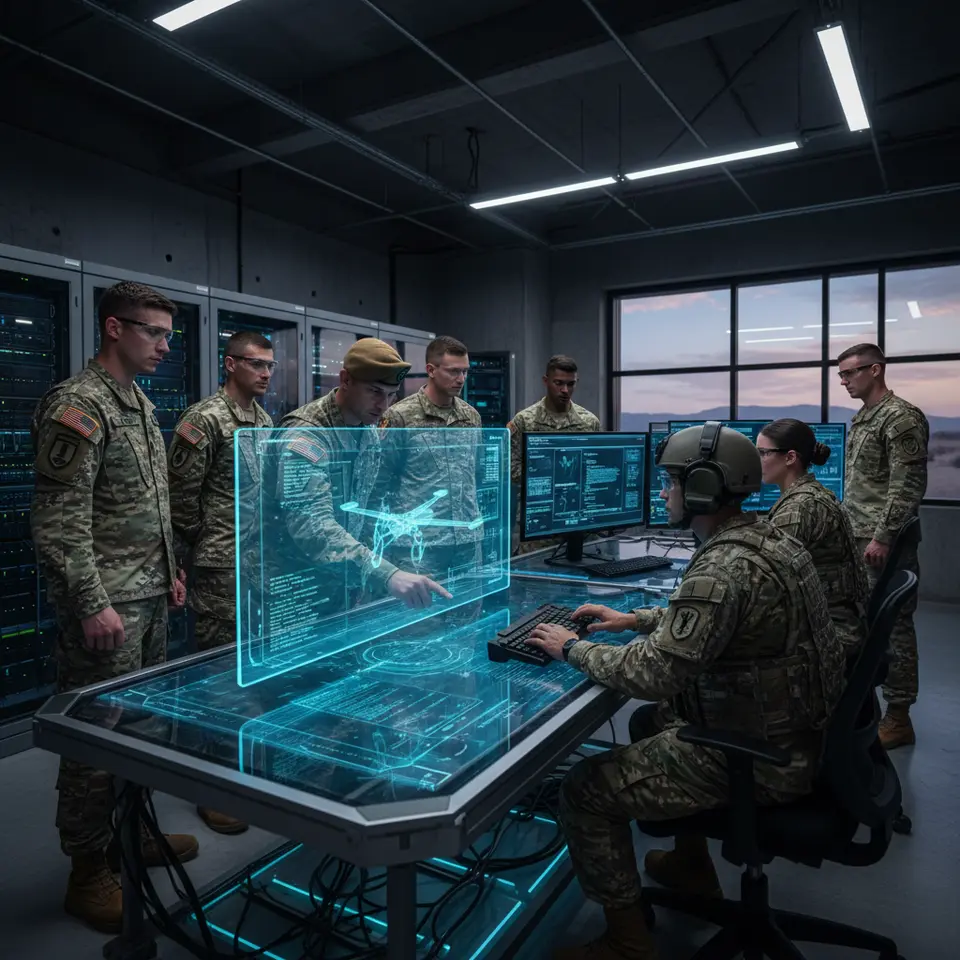
In a groundbreaking move within military technology, an 82nd Airborne unit has independently built its own suite of AI tools to enhance operational capabilities. This development coincides with the US Army’s strategic initiative to establish a ‘safe playground’ environment, where soldiers can actively experiment with emerging artificial intelligence technologies without risking operational security or disruptive consequences.
US Army’s ‘Safe Playground’ Concept for AI Experimentation
The Army’s push for a secure testing ground aims to foster innovation and rapid technology adoption in a controlled setting. It allows soldiers and units to build, test, and refine AI applications that can support various military functions—from tactical decision-making and logistics to training and cybersecurity. This initiative reflects a broader trend toward integrating AI into defense operations while mitigating potential risks.
Implications for Workforce and Recruitment Technology
The creation of AI tools by frontline military units underscores a significant shift in workforce dynamics within defense sectors. Soldiers are evolving into tech innovators and digital problem solvers, highlighting the Army’s need to recruit personnel with diverse skill sets that combine military expertise with technology proficiency. HR professionals in defense and related tech companies can draw insights on the importance of fostering AI skills and encouraging experimental culture among their teams.
Moreover, establishing such ‘safe playgrounds’ enables organizations to accelerate research and development cycles, reducing time-to-deployment for AI systems that could enhance operational efficiency and battlefield effectiveness.
Expert Insights and Industry Outlook
Experts emphasize that the military’s approach to AI experimentation could serve as a model for civilian sectors. John Smith, a defense technology analyst, states, “By providing a risk-managed environment, the Army encourages innovation and mitigates the challenges associated with hasty AI adoption, setting an example for industries navigating similar technology disruptions.“
AI tools developed in this context often focus on automation, data analytics, and decision support, all crucial elements mirrored in civilian AI deployments, particularly in automation and workforce optimization sectors.
This initiative also aligns with growing trends in AI automation and governance, evident in sectors leveraging AI to optimize workflows and enhance productivity. For instance, companies specializing in AI-powered automation, such as AITechScope, continue to demonstrate significant gains in cost reduction and operational scaling by implementing intelligent delegation solutions.
Future Prospects for AI in Military and Civilian Tech
The success of the 82nd Airborne’s AI tools initiative signals wider adoption potential across the military and allied industries. As soldiers and units experiment with AI capabilities in a controlled setting, lessons learned here will inform the development of robust, safe AI frameworks applicable to broader organizational contexts, including commercial enterprises focused on workforce innovation and recruitment technology.
For HR professionals, the key takeaway is the increasing importance of digital literacy and AI fluency in talent acquisition and workforce development strategies. Encouraging a culture of experimentation and continuous learning will be essential for both military and civilian organizations aiming to stay competitive in an AI-driven landscape.
To understand more about AI’s transformative potential and challenges in workplace innovation, you can also explore our analysis on AI Tools and Education for the Workforce as well as insights into AI Automation Impact on HR Operations. Further, our coverage on AI Adoption and Reliance Gaps sheds light on how organizations are bridging technology integration challenges.
FAQ
What are AI tools in the military context?
AI tools in the military context refer to software applications that leverage artificial intelligence to enhance operational efficiency, support decision-making, optimize logistics, and improve training and cybersecurity efforts.
How does the ‘safe playground’ concept benefit the military?
The ‘safe playground’ concept allows military personnel to experiment with AI technologies in a risk-managed environment, fostering innovation and reducing the likelihood of negative impacts on operational security.
What are the implications for workforce recruitment in defense?
The implications for workforce recruitment in defense involve the need for personnel with AI and technology expertise, as soldiers transition into roles that require tech innovation and digital problem-solving skills.
Can the Army’s approach to AI serve as a model for civilian industries?
Yes, the Army’s approach to AI experimentation can serve as a model for civilian industries, providing insights into managing innovation while minimizing risks associated with technology adoption.