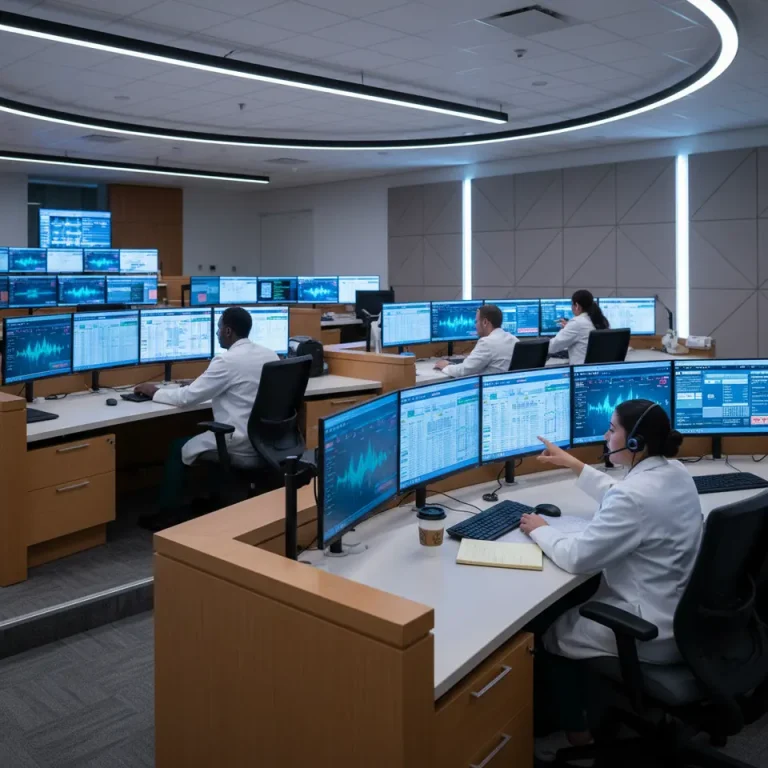
Thorne Introduces AI-Powered Wellness Advisor for Supplements
Estimated reading time: 5 minutes
Key Takeaways
- Thorne HealthTech introduces an AI-powered wellness advisor utilizing ChatGPT technology.
- The advisor offers personalized supplement recommendations based on user data, enhancing health outcomes.
- Thorne aims to usher in AI-driven health solutions, with projected growth in the AI-in-wellness market to reach $12.4 billion by 2029.
- Corporate wellness programs can leverage similar AI solutions to improve employee health and reduce costs.
- Regulatory measures and ethical considerations are at the forefront of Thorne’s deployment of this technology.
Table of Contents
Thorne Deploys AI‑Powered Wellness Advisor Amid ChatGPT Surge
Breaking News – Jan 26, 2026 – Leading nutraceutical brand Thorne HealthTech announced today the rollout of an AI-powered wellness advisor that leverages OpenAI’s ChatGPT technology to deliver real-time, personalized supplement recommendations. The move marks a significant step in the convergence of consumer health and generative AI, and it is already sparking interest among HR leaders and tech firms seeking to embed similar intelligence into their own employee-wellness programs.
Why Thorne Is Turning to Generative AI
Thorne’s Chief Innovation Officer, Dr. Maya Patel, explained that the decision was driven by three core objectives: scaling personalized advice, reducing reliance on costly human consultants, and capturing the growing demand for AI-enabled health solutions. “Consumers today expect instant, data-driven guidance,” Patel said in a press briefing. “ChatGPT gives us a conversational interface that can interpret a user’s health data, lifestyle inputs, and even their tone, to suggest the right supplement regimen in seconds.”
According to a recent AI adoption reliance gap report, 68% of health-tech companies plan to integrate generative AI by 2027, yet only 22% have a production-ready solution. Thorne’s launch positions it among the early adopters, potentially setting a benchmark for the industry.
How the Advisor Works
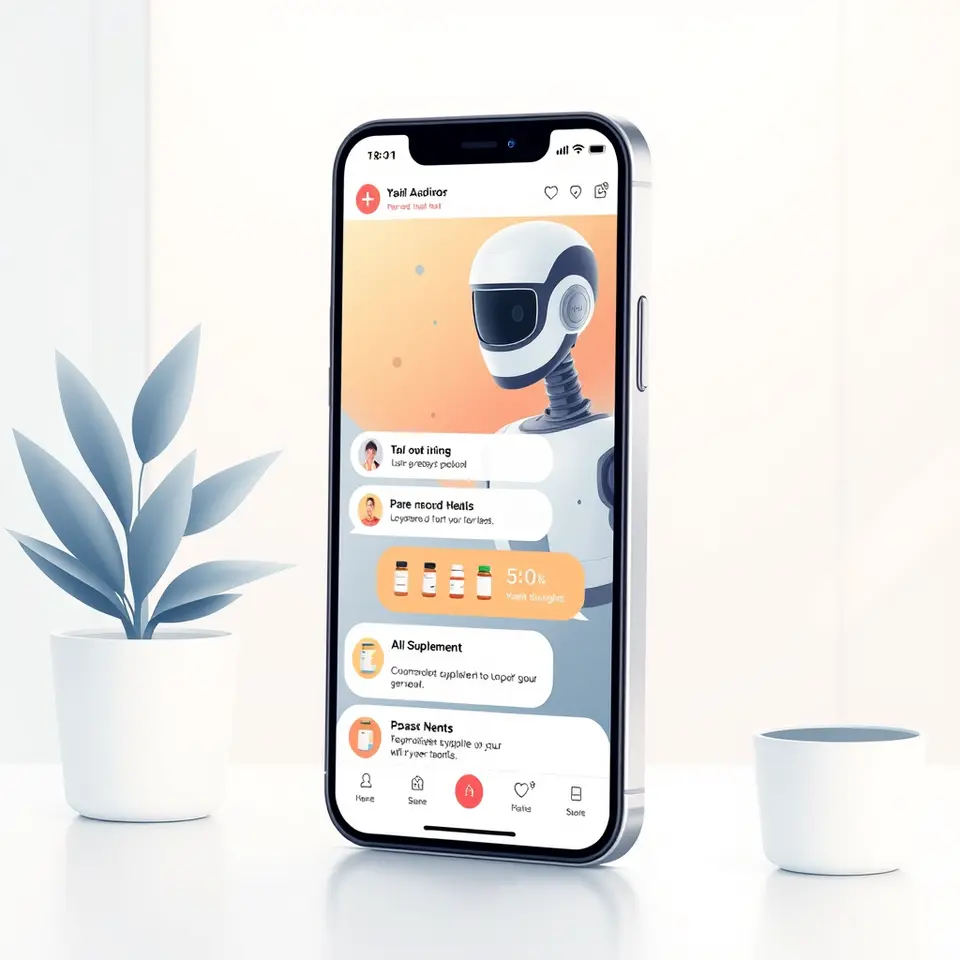
The wellness advisor is embedded within Thorne’s mobile app and website. Users answer a brief questionnaire covering diet, activity level, sleep patterns, and any existing health conditions. The system then pulls data from Thorne’s proprietary supplement database (over 300 products) and cross-references it with the latest peer-reviewed research, all through a fine-tuned ChatGPT model.
Key technical components include:
- n8n workflow automation: Orchestrates data ingestion from wearables, electronic health records, and user inputs.
- AI-driven decision engine: Uses a hybrid rule-based and large-language-model (LLM) approach to ensure regulatory compliance.
- Real-time feedback loop: Continuously updates recommendations as users log new data.
“The n8n integration lets us automate complex data pipelines without writing custom code for each new data source,” noted Alex Rivera, senior automation engineer at AITechScope, the firm that built the backend. “That’s a game-changer for speed to market.”
Implications for HR and Workforce Development
Beyond consumer impact, the AI advisor offers a template for corporate wellness programs. HR directors can deploy a similar solution to provide employees with personalized health insights, potentially lowering healthcare costs and boosting productivity.
Industry analyst Karen Liu of Gartner predicts that “by 2028, at least 40% of Fortune 500 companies will have AI-enhanced wellness platforms integrated with their HRIS.” The technology also raises new talent needs: data scientists to fine-tune LLMs, compliance officers to navigate FDA and GDPR rules, and UX designers who can make AI interactions feel trustworthy.
For companies looking to upskill their workforce, the AI tools education workforce guide outlines certification pathways for AI-augmented health tech, a resource that HR teams can leverage to bridge skill gaps.
Market Reaction and Competitive Landscape
Within hours of the announcement, Thorne’s stock rose 3.2%, and its app downloads surged by 27% according to data from Sensor Tower. Competitors such as Ritual and Care/of have hinted at AI projects, but none have yet disclosed a live product.
Market analysts estimate the global AI-in-wellness market will reach $12.4 billion by 2029, growing at a CAGR of 21.5%. Thorne’s early entry could capture a sizable share, especially as consumers become more comfortable with AI-mediated health advice.
“The key differentiator will be clinical validation,” said Dr. Samuel Ortiz, senior analyst at Forrester. “If Thorne can demonstrate measurable health outcomes, it will set the bar for the entire sector.”
Regulatory and Ethical Considerations
Thorne has emphasized that the advisor is not a substitute for professional medical advice. All recommendations are flagged with a disclaimer, and users are encouraged to consult a healthcare provider before making significant changes.
In light of rising concerns about AI transparency, Thorne published a whitepaper outlining its data-privacy safeguards, referencing the AI data privacy concerns framework. The company also pledged to undergo third-party audits to ensure algorithmic fairness.
Future Outlook
Looking ahead, Thorne plans to expand the advisor’s capabilities to include mental-wellness modules, integration with telehealth platforms, and multilingual support for non-English speaking markets. The rollout will be phased, with a beta for corporate partners slated for Q3 2026.
For HR professionals, the message is clear: AI-driven wellness is moving from pilot projects to mainstream adoption. Companies that invest early in the necessary talent, compliance structures, and integration frameworks will likely reap the benefits of a healthier, more engaged workforce.
To stay updated on AI trends shaping the workplace, visit our homepage and explore related stories such as the AI automation tools for SMBs and the shadow AI workflow disruption analysis.
FAQ
What is the Thorne AI-powered wellness advisor?
The Thorne AI-powered wellness advisor uses ChatGPT technology to offer personalized supplement recommendations based on user data and lifestyle inputs.
How does the advisor ensure accurate recommendations?
The advisor combines data from user questionnaires with Thorne’s extensive supplement database and peer-reviewed research to provide tailored guidance.
Can businesses implement similar AI solutions?
Yes, corporate wellness programs can adopt AI solutions like Thorne’s to enhance employee health and streamline health benefits.
What are the ethical considerations of using AI in health?
Thorne stresses that the advisor is not a substitute for professional medical advice and prioritizes user data privacy and compliance with regulations.
What’s the future of Thorne’s wellness advisor?
Thorne plans to enhance the advisor with mental-wellness modules and telehealth integration, with functionality expanding to multilingual support.