OpenAI Education for Countries Accelerates Global AI Learning
Key Takeaways
- OpenAI launches a free, open-source AI curriculum, Education for Countries, aimed at K-12 and higher education.
- The program includes curriculum modules, teacher enablement, and student labs powered by OpenAI’s API.
- It aims to reach over 5 million students in its first year, with initial deployments in Kenya, Brazil, and the Philippines.
- The initiative addresses a critical talent gap in AI education, ensuring equitable access to knowledge and resources.
- Companies can leverage the curriculum to enhance recruitment processes and develop AI competencies in the workforce.
Table of Contents
OpenAI Unveils ‘Education for Countries’ Program to Accelerate AI Learning Worldwide
Breaking News – 21 January 2026: OpenAI announced today the launch of its flagship Education for Countries initiative, a free, open‑source AI curriculum designed for K‑12 schools and higher‑education institutions across the globe. The program aims to democratize access to cutting‑edge AI knowledge, empower educators, and fast‑track the development of a future‑ready workforce.
What the Initiative Entails
The Education for Countries (EFC) suite comprises three core components:
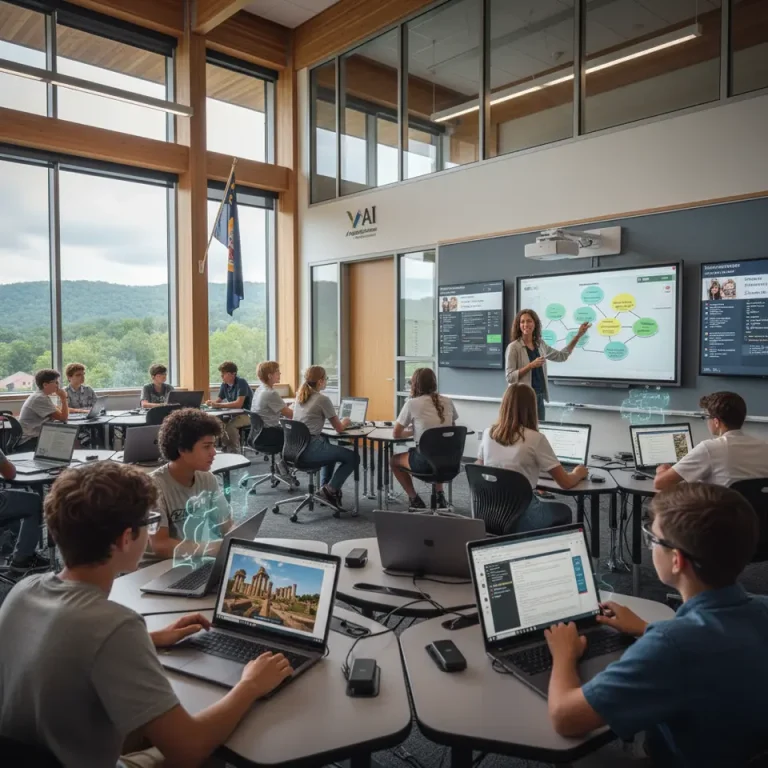
- Curriculum Modules: A modular, standards‑aligned syllabus covering fundamentals of machine learning, responsible AI, prompt engineering, and real‑world applications. Each module is available in 12 languages and can be customized to local education standards.
- Teacher Enablement: A set of professional‑development resources, including on‑demand webinars, certification pathways, and a global community of AI‑trained educators.
- Student Labs: Cloud‑hosted, sandboxed environments powered by OpenAI’s API, allowing students to experiment with GPT‑5, DALL·E 3, and Codex without incurring costs.
OpenAI estimates that the program will reach over 5 million students in its first year, with pilot deployments already underway in Kenya, Brazil, and the Philippines.
Strategic Rationale Behind the Launch
According to OpenAI CEO Sam Altman, the move addresses a “critical talent gap” that threatens to widen economic disparities as AI adoption accelerates across industries. “We’ve seen a surge in demand for AI‑savvy talent, yet many education systems lack the resources to teach these skills effectively,” Altman said in a virtual press briefing. “Education for Countries is our answer—providing free, high‑quality AI learning tools to every classroom, regardless of budget.”
Industry analysts echo this sentiment. A recent report by the World Economic Forum predicts that by 2030, AI‑related jobs will constitute 25 % of the global workforce, underscoring the urgency of early AI education.
Implications for HR and Recruitment Technology
For HR professionals and talent acquisition teams, the rollout of EFC signals a shift in the talent pipeline. Companies can expect a surge of candidates with foundational AI competencies, reducing the reliance on expensive up‑skilling programs.
Recruitment technology platforms are already adapting. AI adoption reliance gap analyses suggest that firms integrating AI‑driven sourcing tools will see a 30 % reduction in time‑to‑hire for technical roles within two years. Moreover, the availability of standardized AI curricula will enable HR to benchmark candidate skills more objectively.
“When you have a globally recognized curriculum, you can trust the skill set on a resume,” notes Maya Patel, Head of Talent Strategy at a leading fintech firm. “It levels the playing field and opens doors for talent from emerging markets.”
Practical Steps for Companies and Educators
Both corporate learning teams and school districts can take immediate action to leverage the new program:
- Integrate EFC Modules into Existing Training: Map the curriculum to internal competency frameworks and use OpenAI’s sandbox labs for hands‑on workshops.
- Partner with Local Schools: Sponsor pilot programs, provide mentorship, and co‑create real‑world projects that align with business challenges.
- Utilize AI‑Powered Recruitment Tools: Deploy tools that can assess candidates’ proficiency in the EFC modules, such as automated coding challenges or prompt‑engineering tests.
For a deeper dive into how AI tools are reshaping workforce development, read our guide on AI tools for education and workforce. Additionally, explore how other organizations are navigating AI integration in their operations at OpenAI Education Countries.
Future Outlook and Potential Challenges
While the initiative promises broad benefits, experts caution about implementation hurdles. Data privacy, especially in regions with strict regulations, remains a concern. OpenAI has pledged compliance with GDPR, CCPA, and local data‑protection laws, but schools will need robust governance frameworks.
Another challenge is ensuring equitable access to the required hardware and internet connectivity. OpenAI is partnering with NGOs and telecom providers to subsidize connectivity in underserved areas, but progress will be incremental.
Looking ahead, Altman hinted at a second phase that will introduce industry‑specific tracks—such as AI for healthcare, finance, and manufacturing—tailored to regional economic priorities. This could further tighten the link between education outcomes and labor‑market needs.
In summary, OpenAI’s Education for Countries initiative marks a watershed moment for AI education, promising to equip the next generation with the skills needed to thrive in an AI‑driven economy. HR leaders, recruiters, and tech companies should monitor the rollout closely, as it will likely reshape talent acquisition strategies and accelerate the overall adoption of AI across sectors.
Visit our homepage for more updates on AI trends, workforce innovation, and technology news.
FAQ
What is the Education for Countries initiative?
It is a free, open-source AI curriculum aimed at K-12 and higher education institutions, designed to empower educators and students with essential AI knowledge.
How does this program benefit students?
Students gain access to cutting-edge training in AI, including hands-on experiences with OpenAI’s technologies, preparing them for future workforce demands.
What steps can companies take to implement this curriculum?
Companies can integrate EFC modules into existing training, partner with schools for pilot programs, and utilize AI-powered recruitment tools to assess candidates.
How will OpenAI ensure compliance with data privacy laws?
OpenAI has committed to adhering to GDPR, CCPA, and local data-protection laws while implementing robust governance frameworks in schools.
What future developments can we expect from this initiative?
Future phases may introduce industry-specific tracks tailored to various sectors, addressing regional economic needs and aligning education with labor market demands.