AI Coordination Workforce Efficiency: 7 Key Insights from HBR
Estimated Reading Time: 5 minutes
Key Takeaways:
- AI’s greatest value lies in workforce coordination, enhancing collaboration over mere task automation.
- Smart integration of AI tools can optimize workflows while empowering employees.
- HR professionals can leverage AI to enhance productivity and recruitment processes without threatening jobs.
- Future AI developments will focus on integrated coordination for improved business performance.
- Businesses prioritizing AI coordination can expect significant operational benefits.
Table of Contents:
- Breaking News: AI’s Strategic Advantage is Coordination, Not Automation
- From Automation to Intelligent Coordination: A Paradigm Shift
- Implications for HR Professionals and Recruiting Technology
- Practical Insights: Leveraging AI for Business Process and Workforce Efficiency
- Industry Outlook: Coordination as the Future of AI in Workforce Management
Breaking News: AI’s Strategic Advantage is Coordination, Not Automation
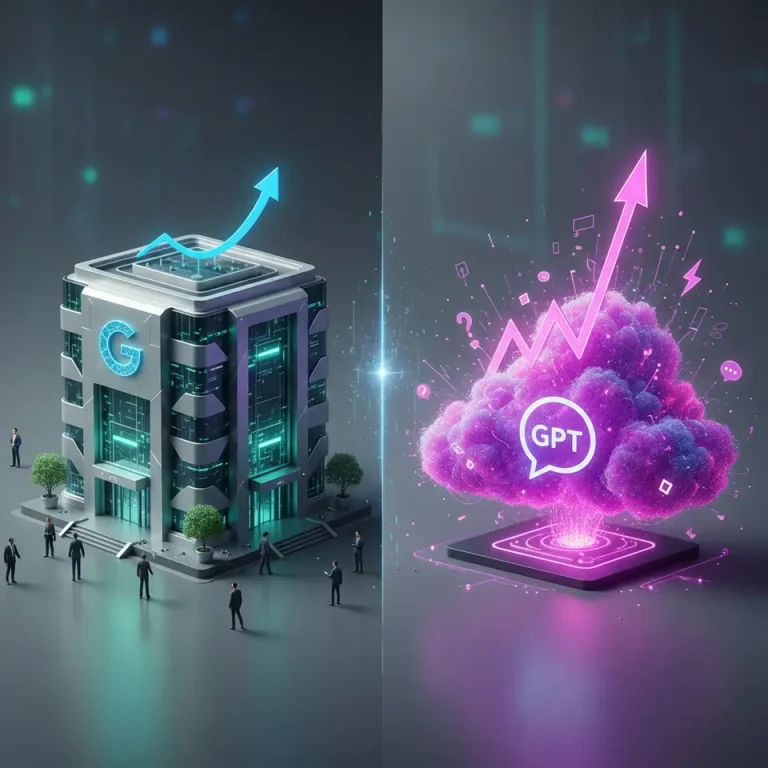
Emerging insights from the Harvard Business Review reveal a crucial shift in how artificial intelligence (AI) is driving business performance. Rather than merely replacing tasks through automation, AI’s biggest payoff is its ability to coordinate complex workflows and enhance collaboration across teams. This perspective reframes the understanding of AI’s impact on the workforce and business operations heading into 2026.
From Automation to Intelligent Coordination: A Paradigm Shift
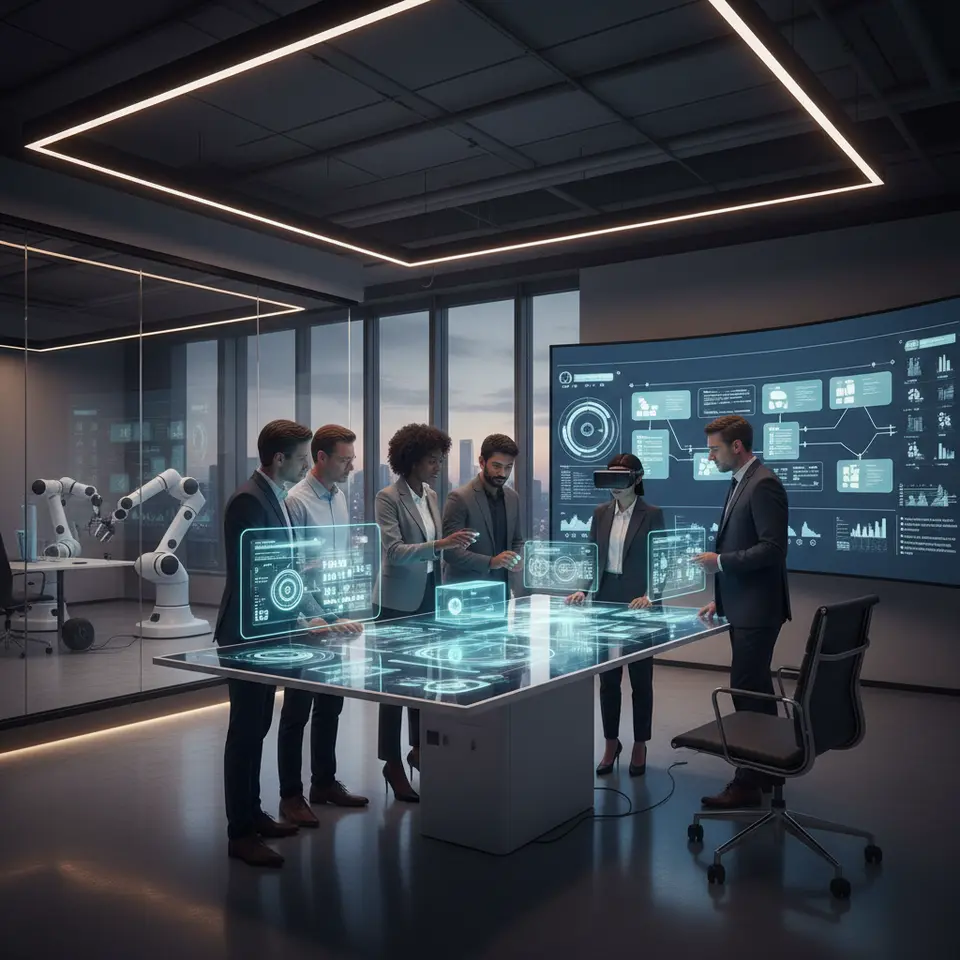
The prevailing narrative around AI adoption has long centered on automation — the replacement of repetitive human tasks with machines — promising cost savings and efficiency. However, the latest industry research suggests this view underestimates AI’s potential. Harvard Business Review’s analysis emphasizes intelligent coordination as the principal benefit, where AI acts as an orchestration layer that connects people, processes, and data seamlessly.
By integrating AI-powered virtual assistants and workflow automation platforms like n8n, businesses can optimize complex processes rather than just automating isolated tasks. AITechScope, a leading provider specializing in AI-driven virtual assistant services and process optimization, exemplifies this trend. Their solutions enable companies to intelligently delegate responsibilities and synchronize activities across departments — empowering workforces rather than displacing them.
Implications for HR Professionals and Recruiting Technology
This shift toward AI coordination has strong implications for human resource (HR) leaders and recruitment technology professionals. Instead of fearing job obsolescence, HR can leverage AI tools to foster smarter collaboration and enhance employee productivity. AI-powered platforms can assist in managing workflows, scheduling, and even onboarding new hires by coordinating communications and automating administrative follow-up.
Furthermore, recruitment technologies infused with AI coordination capabilities improve candidate screening and engagement by orchestrating recruiter-candidate interactions and scheduling interviews efficiently. This approach supports a more holistic view of workforce management where AI augments human decision-making and relationship-building rather than replacing it.
HR teams exploring these technologies should also consider ethical AI adoption and workforce transparency to maintain employee trust and regulatory compliance — topics discussed in depth in analyses like AI hiring transparency lawsuit and AI compliance and automation policy.
Practical Insights: Leveraging AI for Business Process and Workforce Efficiency
Businesses that adopt AI with a focus on coordination can realize benefits including reduced operational costs, enhanced scalability, and improved agility. For instance, AITechScope’s expertise in n8n workflow development and AI-powered delegation allows organizations to build custom automation paths that link disparate tasks and data sources. This creates an adaptive, responsive operational environment tailored to complex business needs.
Moreover, AI coordination encourages workforce empowerment through intelligent task assignment. Instead of removing human roles, it supports employees by removing bottlenecks and providing timely information, enabling staff to focus on higher-value work. AI-driven coordination thus serves as a catalyst for enhancing employee satisfaction and unlocking productivity gains.
Readers interested in understanding broader AI adoption dynamics in enterprises can explore in-depth reports such as AI Adoption and the Reliance Gap and learn about how AI is reshaping scientific progress through tools discussed in AI Tools in Scientific Progress.
Industry Outlook: Coordination as the Future of AI in Workforce Management
Looking ahead, AI’s role in workforce and business transformation will likely continue to evolve from task automation toward integrated coordination solutions. Organizations investing in AI-driven collaboration platforms stand to gain competitive advantages by enabling faster decision-making, seamless communication, and comprehensive process visibility.
In a world where human expertise and AI capabilities complement each other, companies that prioritize coordination will unlock new levels of efficiency while maintaining human-centric workplaces. HR and technology leaders can prepare for this future by prioritizing AI tools that promote transparency, ethical use, and worker empowerment.
As the AI landscape matures in 2026 and beyond, the message is clear: the true power of AI lies not in replacing the workforce but in synchronizing it to perform smarter and faster together.
For further insights, visit our AI automation services business efficiency page and stay updated on developments transforming the workforce and recruitment technology landscapes.
FAQ
What is the main advantage of AI according to the article?
The main advantage of AI is its ability to enhance workforce coordination rather than merely automating tasks.
The main advantage of AI is its ability to enhance workforce coordination rather than merely automating tasks.
How can HR professionals benefit from AI?
HR professionals can leverage AI to improve collaboration, enhance employee productivity, and streamline recruiting processes.
HR professionals can leverage AI to improve collaboration, enhance employee productivity, and streamline recruiting processes.
What ethical considerations should be kept in mind with AI?
It is important to consider ethical AI adoption and workforce transparency to maintain trust and compliance.
It is important to consider ethical AI adoption and workforce transparency to maintain trust and compliance.
Where can I find more information on AI and workforce management?
More information can be found in resources such as the AI Adoption and the Reliance Gap report.
More information can be found in resources such as the AI Adoption and the Reliance Gap report.