AI Tools and Builders: 5 Must-Know Strategies for Business Growth

Key Takeaways
- AI tools alone can’t optimize business processes; skilled builders are essential for integration.
- Companies face tool fatigue and need to appropriately select and integrate AI solutions.
- AI is transforming HR and recruitment, necessitating customized solutions to align with organizational needs.
- In-house talent and strategic partnerships with builders are vital for successful AI automation.
- Understanding the role of builders can enhance agility and competitiveness in the tech sector.
Table of Contents
- Breaking News: AI Tools Abound, Builders Remain Critical for Business Success
- AI Tools: Abundant Options with Untapped Potential
- HR and Tech Companies: Embracing AI Builders for Workforce and Recruitment Innovations
- Future Outlook: Elevating AI Adoption Through Builder-Centric Strategies
Breaking News: AI Tools Abound, Builders Remain Critical for Business Success
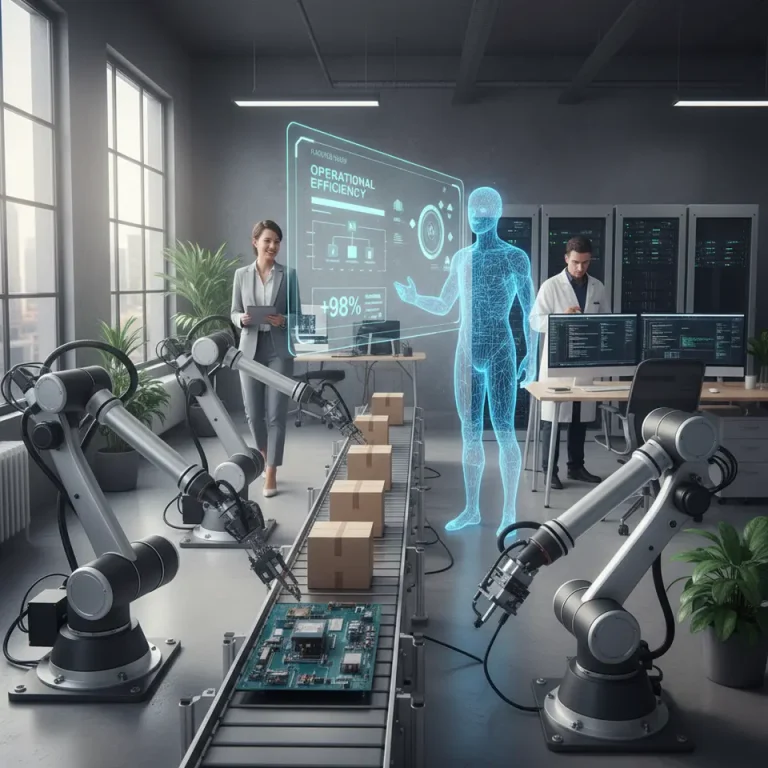
The AI landscape in 2026 is flooded with innovative tools designed to automate workflows, optimize processes, and drive business efficiency. However, as detailed in a recent IBM Newsroom analysis titled “Today’s AI Has Plenty of Tools. What Companies Need is a Builder”, the proliferation of AI tools alone is insufficient to transform operations. The true game-changer lies in companies investing in skilled builders who architect and implement AI solutions effectively.
The growing availability of AI-powered platforms presents both significant opportunities and complex challenges for enterprises. In practice, simply purchasing or adopting AI tools rarely leads to optimized performance without expert integration, customization, and workflow design. This is where builders play a pivotal role, bridging the gap between AI potential and business value.
AI Tools: Abundant Options with Untapped Potential
Thanks to breakthroughs in AI technology, businesses today have access to a multitude of virtual assistant services, automation platforms, and workflow development tools such as n8n. Industry leaders like AITechScope specialize in these AI-powered automation services, assisting businesses in scaling operations, cutting costs, and improving efficiency via intelligent delegation and automation.
According to experts, the sheer volume of available AI tools can be overwhelming for companies seeking to modernize their internal processes. “Organizations face tool fatigue, making it crucial to evaluate, select, and integrate AI solutions purposefully,” says an industry AI strategist. This challenge underscores the demand for AI builders who possess the technical expertise and business acumen to design seamless AI workflows that align with strategic goals.
HR and Tech Companies: Embracing AI Builders for Workforce and Recruitment Innovations
The rise of AI tools is particularly transformative for HR professionals and recruitment technology sectors. AI-powered automation has begun to revolutionize talent acquisition, employee engagement, and workforce management processes. Yet, this revolution depends heavily on implementing customized AI solutions that fit unique organizational cultures and regulatory landscapes.
For instance, recruitment platforms now integrate AI to expedite candidate screening and streamline communication. However, as the IBM Newsroom insight emphasizes, companies must move beyond tool adoption to cultivate builders who can harness AI’s full potential to enhance recruitment transparency and reduce manual inefficiencies.
HR leaders are urged to invest in or partner with AI developers capable of constructing automated workflows to manage hiring pipelines while ensuring compliance with emerging AI hiring transparency laws. These builders act as catalysts, enabling the recruitment industry to evolve alongside technological advancements.
Future Outlook: Elevating AI Adoption Through Builder-Centric Strategies
Looking ahead, the technology sector anticipates an accelerated shift toward builder-centric AI adoption models. Companies poised to thrive will be those that nurture in-house talent or collaborate closely with specialized providers like AITechScope to develop tailored, scalable AI automation solutions.
Moreover, strategic integration of AI builders can mitigate risks associated with fragmented AI implementations, such as workflow disruptions and compliance issues. Effective AI builders also enable enterprises to become more agile, informed, and competitive, capitalizing on AI-driven insights and operational improvements.
For HR professionals and tech companies eager to stay at the forefront of the AI revolution, understanding the integral role of builders is essential. To delve deeper into related AI adoption challenges, readers can explore insights on the AI adoption reliance gap, automation disruption in workflows, and AI tools’ scientific progress, all available on MumtazAwan.
Visit our main page for more tech-related news and updates that will keep you informed on the evolving AI landscape.
Frequently Asked Questions
What are the key benefits of using AI tools in business?
AI tools can automate workflows, optimize processes, and drive efficiency, making operations faster and more effective.
Why are skilled builders essential for successful AI implementation?
Skilled builders ensure that AI tools are integrated effectively into existing processes, aligning them with business goals and maximizing overall performance.
How can companies overcome tool fatigue when adopting AI?
Companies should evaluate AI tools purposefully, selecting solutions that meet their specific needs and strategically integrating them to avoid overwhelm.
In what ways is AI transforming HR and recruitment?
AI automates tasks like candidate screening and communication, enhancing efficiency and transparency in recruitment processes.
What should businesses consider when partnering with AI builders?
Businesses should ensure builders understand their unique organizational needs and compliance requirements to create effective, tailored solutions.